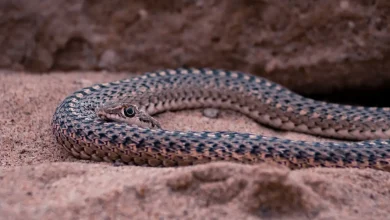
Snakebite Treatment Failures — Why Some Bites Get Mishandled in Thai Hospitals
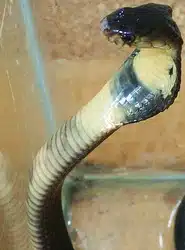
- Species misidentification. A patient arrives with no photograph; the clinician guesses based on bite-site appearance and presenting symptoms; the guess is wrong; the wrong antivenom is given. Especially common with the Red-Necked Keelback (mistaken for harmless), kraits (slow-onset, missed at presentation) and small juveniles of any dangerous species.
- Delayed coagulation testing for keelback bites. Patients with apparent “minor” bites discharged early, then return 24-48 hours later with a coagulopathy that should have been caught with serial 20WBCT testing.
- Wrong antivenom dose. Antivenom is typically given as 5-10 vials initial, with repeat doses based on response. Under-dosing is more common than over-dosing in resource-limited settings; some patients need 20+ vials before the venom is fully neutralised.
- Tourniquet damage. Patients arrive with a tight tourniquet that has been on for hours; tissue damage from the tourniquet can exceed the venom damage.
- Folk-remedy interference. Patients having taken herbal preparations, applied poultices, or undergone “snake doctor” treatments before reaching the hospital. The interference can mask symptoms and delay correct treatment.
What the patient can do #
- Photograph the snake (safely). Even a poor photograph from 2 m away is better than nothing. Identification changes the treatment.
- Note the bite time and the snake size. Both are clinical inputs.
- Insist on a 20WBCT immediately for any suspected viper or keelback bite, with serial repeats over 24 hours.
- Refuse tourniquet, knife, and ice. If the well-meaning bystander or paramedic offers any of these, decline.
- Get to a hospital, not a clinic. Provincial hospitals stock antivenom; small clinics often do not.
What the clinician can do #
- Photograph protocol on arrival. Asking specifically for any photograph of the snake should be a routine first question.
- 20WBCT at presentation, repeat at 6, 12 and 24 hours. Inexpensive, sensitive, and catches the delayed coagulopathy of keelback bites.
- Document treatment timing carefully. Time from bite to first antivenom is the strongest predictor of outcome.
- Refer early if outside scope. Small district hospitals should refer rather than try to manage complex envenomations.
- Continuing education. The species spectrum, antivenom availability, and clinical management evolve. Annual refresher training matters.
The systemic picture #
The Thai healthcare system handles snakebite well by international standards. Antivenom is widely stocked, training is reasonable, and outcomes are good. The failures we see are mostly in two categories: the rapid first-aid window (where bystanders make wrong choices) and the discharge decision for delayed-onset bites (where serial testing was not done). Improving these two areas would reduce the failure rate substantially.
For the practical patient-side guide see our snakebite first-aid reference. For the clinical timeline see snakebite timeline. For the delayed-coagulopathy specific picture see Rhabdophis subminiatus delayed coagulopathy.
External references: the WHO snakebite envenoming hub for international treatment guidelines and the Queen Saovabha Memorial Institute for Thai antivenom information.
Key takeaways #
- Context matters more than rules of thumb. Thailand’s snake fauna varies meaningfully by region, by season, and by habitat. Advice that holds in southern wet forest does not always hold in northern hill country or in the central agricultural plains.
- Prevention is high-leverage. Most serious snake-related incidents in Thailand are downstream of three preventable behaviours — reaching where you cannot see, walking forest paths at night without a torch, and attempting to handle or kill snakes rather than call professional removal.
- Hospital access is the real safety net. Thai provincial hospitals stock the standard polyvalent antivenoms. The single biggest predictor of bad outcome from a serious bite is delay in reaching one of those hospitals.
- Citizen-science records help. Even casual photographs with location data, posted to platforms like iNaturalist, contribute to the regional knowledge base. Most Thai snake species have surprisingly thin distribution data; one well-documented sighting can fill a real gap.
Common questions #
How likely am I to see a snake on a casual visit to Thailand?
Lower than you probably expect. A casual three-hour daytime forest hike in southern Thailand has roughly a 5–10% chance of producing any snake encounter at all, and roughly a 0.5–1% chance of producing a venomous-species sighting. Visitors who deliberately go looking — at night, in good habitat — see far more, but the casual exposure is genuinely low.
What time of year has the most snake activity?
The wet season (May through October) produces by far the most snake encounters across most of Thailand. Within that, two peaks: the start of the rains (April–June) when males are moving for breeding, and late wet season (September–November) when juvenile cohorts disperse from nest sites. The dry season (December–March) is genuinely quieter for snake-watching, particularly in the north and northeast.
Are Thai snakebite outcomes really that good?
For patients who reach a hospital within an hour or two of a venomous bite, yes — Thai outcomes are excellent by international standards. Mortality with appropriate antivenom and supportive care runs under 1% for most species. The deaths that do happen are concentrated in cases of significant pre-hospital delay, mis-identification of species, or in patients with serious co-morbidities. The Thai system is robust; the failure modes are mostly upstream of the hospital.
What is the single best preventive measure?
A torch at night. The single biggest reducer of Thai snakebite risk is consistent, eyes-down torch use on every walking path after dark. Most preventable bites in southern Thailand are foot-on-snake events on the ground at night, and a torch beam on the trail at metre-down angle prevents the great majority of them. Closed footwear is the second-biggest improvement; long trousers in dense vegetation is third.
- Photograph the snake (safely). Even a poor photograph from 2 m away is better than nothing. Identification changes the treatment.
- Note the bite time and the snake size. Both are clinical inputs.
- Insist on a 20WBCT immediately for any suspected viper or keelback bite, with serial repeats over 24 hours.
- Refuse tourniquet, knife, and ice. If the well-meaning bystander or paramedic offers any of these, decline.
- Get to a hospital, not a clinic. Provincial hospitals stock antivenom; small clinics often do not.
What the clinician can do #
- Photograph protocol on arrival. Asking specifically for any photograph of the snake should be a routine first question.
- 20WBCT at presentation, repeat at 6, 12 and 24 hours. Inexpensive, sensitive, and catches the delayed coagulopathy of keelback bites.
- Document treatment timing carefully. Time from bite to first antivenom is the strongest predictor of outcome.
- Refer early if outside scope. Small district hospitals should refer rather than try to manage complex envenomations.
- Continuing education. The species spectrum, antivenom availability, and clinical management evolve. Annual refresher training matters.
The systemic picture #
The Thai healthcare system handles snakebite well by international standards. Antivenom is widely stocked, training is reasonable, and outcomes are good. The failures we see are mostly in two categories: the rapid first-aid window (where bystanders make wrong choices) and the discharge decision for delayed-onset bites (where serial testing was not done). Improving these two areas would reduce the failure rate substantially.
For the practical patient-side guide see our snakebite first-aid reference. For the clinical timeline see snakebite timeline. For the delayed-coagulopathy specific picture see Rhabdophis subminiatus delayed coagulopathy.
External references: the WHO snakebite envenoming hub for international treatment guidelines and the Queen Saovabha Memorial Institute for Thai antivenom information.
- Species misidentification. A patient arrives with no photograph; the clinician guesses based on bite-site appearance and presenting symptoms; the guess is wrong; the wrong antivenom is given. Especially common with the Red-Necked Keelback (mistaken for harmless), kraits (slow-onset, missed at presentation) and small juveniles of any dangerous species.
- Delayed coagulation testing for keelback bites. Patients with apparent “minor” bites discharged early, then return 24-48 hours later with a coagulopathy that should have been caught with serial 20WBCT testing.
- Wrong antivenom dose. Antivenom is typically given as 5-10 vials initial, with repeat doses based on response. Under-dosing is more common than over-dosing in resource-limited settings; some patients need 20+ vials before the venom is fully neutralised.
- Tourniquet damage. Patients arrive with a tight tourniquet that has been on for hours; tissue damage from the tourniquet can exceed the venom damage.
- Folk-remedy interference. Patients having taken herbal preparations, applied poultices, or undergone “snake doctor” treatments before reaching the hospital. The interference can mask symptoms and delay correct treatment.
What the patient can do #
- Photograph the snake (safely). Even a poor photograph from 2 m away is better than nothing. Identification changes the treatment.
- Note the bite time and the snake size. Both are clinical inputs.
- Insist on a 20WBCT immediately for any suspected viper or keelback bite, with serial repeats over 24 hours.
- Refuse tourniquet, knife, and ice. If the well-meaning bystander or paramedic offers any of these, decline.
- Get to a hospital, not a clinic. Provincial hospitals stock antivenom; small clinics often do not.
What the clinician can do #
- Photograph protocol on arrival. Asking specifically for any photograph of the snake should be a routine first question.
- 20WBCT at presentation, repeat at 6, 12 and 24 hours. Inexpensive, sensitive, and catches the delayed coagulopathy of keelback bites.
- Document treatment timing carefully. Time from bite to first antivenom is the strongest predictor of outcome.
- Refer early if outside scope. Small district hospitals should refer rather than try to manage complex envenomations.
- Continuing education. The species spectrum, antivenom availability, and clinical management evolve. Annual refresher training matters.
The systemic picture #
The Thai healthcare system handles snakebite well by international standards. Antivenom is widely stocked, training is reasonable, and outcomes are good. The failures we see are mostly in two categories: the rapid first-aid window (where bystanders make wrong choices) and the discharge decision for delayed-onset bites (where serial testing was not done). Improving these two areas would reduce the failure rate substantially.
For the practical patient-side guide see our snakebite first-aid reference. For the clinical timeline see snakebite timeline. For the delayed-coagulopathy specific picture see Rhabdophis subminiatus delayed coagulopathy.
External references: the WHO snakebite envenoming hub for international treatment guidelines and the Queen Saovabha Memorial Institute for Thai antivenom information.
Key takeaways #
- Context matters more than rules of thumb. Thailand’s snake fauna varies meaningfully by region, by season, and by habitat. Advice that holds in southern wet forest does not always hold in northern hill country or in the central agricultural plains.
- Prevention is high-leverage. Most serious snake-related incidents in Thailand are downstream of three preventable behaviours — reaching where you cannot see, walking forest paths at night without a torch, and attempting to handle or kill snakes rather than call professional removal.
- Hospital access is the real safety net. Thai provincial hospitals stock the standard polyvalent antivenoms. The single biggest predictor of bad outcome from a serious bite is delay in reaching one of those hospitals.
- Citizen-science records help. Even casual photographs with location data, posted to platforms like iNaturalist, contribute to the regional knowledge base. Most Thai snake species have surprisingly thin distribution data; one well-documented sighting can fill a real gap.
Common questions #
How likely am I to see a snake on a casual visit to Thailand?
Lower than you probably expect. A casual three-hour daytime forest hike in southern Thailand has roughly a 5–10% chance of producing any snake encounter at all, and roughly a 0.5–1% chance of producing a venomous-species sighting. Visitors who deliberately go looking — at night, in good habitat — see far more, but the casual exposure is genuinely low.
What time of year has the most snake activity?
The wet season (May through October) produces by far the most snake encounters across most of Thailand. Within that, two peaks: the start of the rains (April–June) when males are moving for breeding, and late wet season (September–November) when juvenile cohorts disperse from nest sites. The dry season (December–March) is genuinely quieter for snake-watching, particularly in the north and northeast.
Are Thai snakebite outcomes really that good?
For patients who reach a hospital within an hour or two of a venomous bite, yes — Thai outcomes are excellent by international standards. Mortality with appropriate antivenom and supportive care runs under 1% for most species. The deaths that do happen are concentrated in cases of significant pre-hospital delay, mis-identification of species, or in patients with serious co-morbidities. The Thai system is robust; the failure modes are mostly upstream of the hospital.
What is the single best preventive measure?
A torch at night. The single biggest reducer of Thai snakebite risk is consistent, eyes-down torch use on every walking path after dark. Most preventable bites in southern Thailand are foot-on-snake events on the ground at night, and a torch beam on the trail at metre-down angle prevents the great majority of them. Closed footwear is the second-biggest improvement; long trousers in dense vegetation is third.
- Photograph the snake (safely). Even a poor photograph from 2 m away is better than nothing. Identification changes the treatment.
- Note the bite time and the snake size. Both are clinical inputs.
- Insist on a 20WBCT immediately for any suspected viper or keelback bite, with serial repeats over 24 hours.
- Refuse tourniquet, knife, and ice. If the well-meaning bystander or paramedic offers any of these, decline.
- Get to a hospital, not a clinic. Provincial hospitals stock antivenom; small clinics often do not.
What the clinician can do #
- Photograph protocol on arrival. Asking specifically for any photograph of the snake should be a routine first question.
- 20WBCT at presentation, repeat at 6, 12 and 24 hours. Inexpensive, sensitive, and catches the delayed coagulopathy of keelback bites.
- Document treatment timing carefully. Time from bite to first antivenom is the strongest predictor of outcome.
- Refer early if outside scope. Small district hospitals should refer rather than try to manage complex envenomations.
- Continuing education. The species spectrum, antivenom availability, and clinical management evolve. Annual refresher training matters.
The systemic picture #
The Thai healthcare system handles snakebite well by international standards. Antivenom is widely stocked, training is reasonable, and outcomes are good. The failures we see are mostly in two categories: the rapid first-aid window (where bystanders make wrong choices) and the discharge decision for delayed-onset bites (where serial testing was not done). Improving these two areas would reduce the failure rate substantially.
For the practical patient-side guide see our snakebite first-aid reference. For the clinical timeline see snakebite timeline. For the delayed-coagulopathy specific picture see Rhabdophis subminiatus delayed coagulopathy.
External references: the WHO snakebite envenoming hub for international treatment guidelines and the Queen Saovabha Memorial Institute for Thai antivenom information.
- Species misidentification. A patient arrives with no photograph; the clinician guesses based on bite-site appearance and presenting symptoms; the guess is wrong; the wrong antivenom is given. Especially common with the Red-Necked Keelback (mistaken for harmless), kraits (slow-onset, missed at presentation) and small juveniles of any dangerous species.
- Delayed coagulation testing for keelback bites. Patients with apparent “minor” bites discharged early, then return 24-48 hours later with a coagulopathy that should have been caught with serial 20WBCT testing.
- Wrong antivenom dose. Antivenom is typically given as 5-10 vials initial, with repeat doses based on response. Under-dosing is more common than over-dosing in resource-limited settings; some patients need 20+ vials before the venom is fully neutralised.
- Tourniquet damage. Patients arrive with a tight tourniquet that has been on for hours; tissue damage from the tourniquet can exceed the venom damage.
- Folk-remedy interference. Patients having taken herbal preparations, applied poultices, or undergone “snake doctor” treatments before reaching the hospital. The interference can mask symptoms and delay correct treatment.
What the patient can do #
- Photograph the snake (safely). Even a poor photograph from 2 m away is better than nothing. Identification changes the treatment.
- Note the bite time and the snake size. Both are clinical inputs.
- Insist on a 20WBCT immediately for any suspected viper or keelback bite, with serial repeats over 24 hours.
- Refuse tourniquet, knife, and ice. If the well-meaning bystander or paramedic offers any of these, decline.
- Get to a hospital, not a clinic. Provincial hospitals stock antivenom; small clinics often do not.
What the clinician can do #
- Photograph protocol on arrival. Asking specifically for any photograph of the snake should be a routine first question.
- 20WBCT at presentation, repeat at 6, 12 and 24 hours. Inexpensive, sensitive, and catches the delayed coagulopathy of keelback bites.
- Document treatment timing carefully. Time from bite to first antivenom is the strongest predictor of outcome.
- Refer early if outside scope. Small district hospitals should refer rather than try to manage complex envenomations.
- Continuing education. The species spectrum, antivenom availability, and clinical management evolve. Annual refresher training matters.
The systemic picture #
The Thai healthcare system handles snakebite well by international standards. Antivenom is widely stocked, training is reasonable, and outcomes are good. The failures we see are mostly in two categories: the rapid first-aid window (where bystanders make wrong choices) and the discharge decision for delayed-onset bites (where serial testing was not done). Improving these two areas would reduce the failure rate substantially.
For the practical patient-side guide see our snakebite first-aid reference. For the clinical timeline see snakebite timeline. For the delayed-coagulopathy specific picture see Rhabdophis subminiatus delayed coagulopathy.
External references: the WHO snakebite envenoming hub for international treatment guidelines and the Queen Saovabha Memorial Institute for Thai antivenom information.
Key takeaways #
- Context matters more than rules of thumb. Thailand’s snake fauna varies meaningfully by region, by season, and by habitat. Advice that holds in southern wet forest does not always hold in northern hill country or in the central agricultural plains.
- Prevention is high-leverage. Most serious snake-related incidents in Thailand are downstream of three preventable behaviours — reaching where you cannot see, walking forest paths at night without a torch, and attempting to handle or kill snakes rather than call professional removal.
- Hospital access is the real safety net. Thai provincial hospitals stock the standard polyvalent antivenoms. The single biggest predictor of bad outcome from a serious bite is delay in reaching one of those hospitals.
- Citizen-science records help. Even casual photographs with location data, posted to platforms like iNaturalist, contribute to the regional knowledge base. Most Thai snake species have surprisingly thin distribution data; one well-documented sighting can fill a real gap.
Common questions #
How likely am I to see a snake on a casual visit to Thailand?
Lower than you probably expect. A casual three-hour daytime forest hike in southern Thailand has roughly a 5–10% chance of producing any snake encounter at all, and roughly a 0.5–1% chance of producing a venomous-species sighting. Visitors who deliberately go looking — at night, in good habitat — see far more, but the casual exposure is genuinely low.
What time of year has the most snake activity?
The wet season (May through October) produces by far the most snake encounters across most of Thailand. Within that, two peaks: the start of the rains (April–June) when males are moving for breeding, and late wet season (September–November) when juvenile cohorts disperse from nest sites. The dry season (December–March) is genuinely quieter for snake-watching, particularly in the north and northeast.
Are Thai snakebite outcomes really that good?
For patients who reach a hospital within an hour or two of a venomous bite, yes — Thai outcomes are excellent by international standards. Mortality with appropriate antivenom and supportive care runs under 1% for most species. The deaths that do happen are concentrated in cases of significant pre-hospital delay, mis-identification of species, or in patients with serious co-morbidities. The Thai system is robust; the failure modes are mostly upstream of the hospital.
What is the single best preventive measure?
A torch at night. The single biggest reducer of Thai snakebite risk is consistent, eyes-down torch use on every walking path after dark. Most preventable bites in southern Thailand are foot-on-snake events on the ground at night, and a torch beam on the trail at metre-down angle prevents the great majority of them. Closed footwear is the second-biggest improvement; long trousers in dense vegetation is third.
- Species misidentification. A patient arrives with no photograph; the clinician guesses based on bite-site appearance and presenting symptoms; the guess is wrong; the wrong antivenom is given. Especially common with the Red-Necked Keelback (mistaken for harmless), kraits (slow-onset, missed at presentation) and small juveniles of any dangerous species.
- Delayed coagulation testing for keelback bites. Patients with apparent “minor” bites discharged early, then return 24-48 hours later with a coagulopathy that should have been caught with serial 20WBCT testing.
- Wrong antivenom dose. Antivenom is typically given as 5-10 vials initial, with repeat doses based on response. Under-dosing is more common than over-dosing in resource-limited settings; some patients need 20+ vials before the venom is fully neutralised.
- Tourniquet damage. Patients arrive with a tight tourniquet that has been on for hours; tissue damage from the tourniquet can exceed the venom damage.
- Folk-remedy interference. Patients having taken herbal preparations, applied poultices, or undergone “snake doctor” treatments before reaching the hospital. The interference can mask symptoms and delay correct treatment.
What the patient can do #
- Photograph the snake (safely). Even a poor photograph from 2 m away is better than nothing. Identification changes the treatment.
- Note the bite time and the snake size. Both are clinical inputs.
- Insist on a 20WBCT immediately for any suspected viper or keelback bite, with serial repeats over 24 hours.
- Refuse tourniquet, knife, and ice. If the well-meaning bystander or paramedic offers any of these, decline.
- Get to a hospital, not a clinic. Provincial hospitals stock antivenom; small clinics often do not.
What the clinician can do #
- Photograph protocol on arrival. Asking specifically for any photograph of the snake should be a routine first question.
- 20WBCT at presentation, repeat at 6, 12 and 24 hours. Inexpensive, sensitive, and catches the delayed coagulopathy of keelback bites.
- Document treatment timing carefully. Time from bite to first antivenom is the strongest predictor of outcome.
- Refer early if outside scope. Small district hospitals should refer rather than try to manage complex envenomations.
- Continuing education. The species spectrum, antivenom availability, and clinical management evolve. Annual refresher training matters.
The systemic picture #
The Thai healthcare system handles snakebite well by international standards. Antivenom is widely stocked, training is reasonable, and outcomes are good. The failures we see are mostly in two categories: the rapid first-aid window (where bystanders make wrong choices) and the discharge decision for delayed-onset bites (where serial testing was not done). Improving these two areas would reduce the failure rate substantially.
For the practical patient-side guide see our snakebite first-aid reference. For the clinical timeline see snakebite timeline. For the delayed-coagulopathy specific picture see Rhabdophis subminiatus delayed coagulopathy.
External references: the WHO snakebite envenoming hub for international treatment guidelines and the Queen Saovabha Memorial Institute for Thai antivenom information.
Key takeaways #
- Context matters more than rules of thumb. Thailand’s snake fauna varies meaningfully by region, by season, and by habitat. Advice that holds in southern wet forest does not always hold in northern hill country or in the central agricultural plains.
- Prevention is high-leverage. Most serious snake-related incidents in Thailand are downstream of three preventable behaviours — reaching where you cannot see, walking forest paths at night without a torch, and attempting to handle or kill snakes rather than call professional removal.
- Hospital access is the real safety net. Thai provincial hospitals stock the standard polyvalent antivenoms. The single biggest predictor of bad outcome from a serious bite is delay in reaching one of those hospitals.
- Citizen-science records help. Even casual photographs with location data, posted to platforms like iNaturalist, contribute to the regional knowledge base. Most Thai snake species have surprisingly thin distribution data; one well-documented sighting can fill a real gap.
Common questions #
How likely am I to see a snake on a casual visit to Thailand?
Lower than you probably expect. A casual three-hour daytime forest hike in southern Thailand has roughly a 5–10% chance of producing any snake encounter at all, and roughly a 0.5–1% chance of producing a venomous-species sighting. Visitors who deliberately go looking — at night, in good habitat — see far more, but the casual exposure is genuinely low.
What time of year has the most snake activity?
The wet season (May through October) produces by far the most snake encounters across most of Thailand. Within that, two peaks: the start of the rains (April–June) when males are moving for breeding, and late wet season (September–November) when juvenile cohorts disperse from nest sites. The dry season (December–March) is genuinely quieter for snake-watching, particularly in the north and northeast.
Are Thai snakebite outcomes really that good?
For patients who reach a hospital within an hour or two of a venomous bite, yes — Thai outcomes are excellent by international standards. Mortality with appropriate antivenom and supportive care runs under 1% for most species. The deaths that do happen are concentrated in cases of significant pre-hospital delay, mis-identification of species, or in patients with serious co-morbidities. The Thai system is robust; the failure modes are mostly upstream of the hospital.
What is the single best preventive measure?
A torch at night. The single biggest reducer of Thai snakebite risk is consistent, eyes-down torch use on every walking path after dark. Most preventable bites in southern Thailand are foot-on-snake events on the ground at night, and a torch beam on the trail at metre-down angle prevents the great majority of them. Closed footwear is the second-biggest improvement; long trousers in dense vegetation is third.
- Photograph the snake (safely). Even a poor photograph from 2 m away is better than nothing. Identification changes the treatment.
- Note the bite time and the snake size. Both are clinical inputs.
- Insist on a 20WBCT immediately for any suspected viper or keelback bite, with serial repeats over 24 hours.
- Refuse tourniquet, knife, and ice. If the well-meaning bystander or paramedic offers any of these, decline.
- Get to a hospital, not a clinic. Provincial hospitals stock antivenom; small clinics often do not.
What the clinician can do #
- Photograph protocol on arrival. Asking specifically for any photograph of the snake should be a routine first question.
- 20WBCT at presentation, repeat at 6, 12 and 24 hours. Inexpensive, sensitive, and catches the delayed coagulopathy of keelback bites.
- Document treatment timing carefully. Time from bite to first antivenom is the strongest predictor of outcome.
- Refer early if outside scope. Small district hospitals should refer rather than try to manage complex envenomations.
- Continuing education. The species spectrum, antivenom availability, and clinical management evolve. Annual refresher training matters.
The systemic picture #
The Thai healthcare system handles snakebite well by international standards. Antivenom is widely stocked, training is reasonable, and outcomes are good. The failures we see are mostly in two categories: the rapid first-aid window (where bystanders make wrong choices) and the discharge decision for delayed-onset bites (where serial testing was not done). Improving these two areas would reduce the failure rate substantially.
For the practical patient-side guide see our snakebite first-aid reference. For the clinical timeline see snakebite timeline. For the delayed-coagulopathy specific picture see Rhabdophis subminiatus delayed coagulopathy.
External references: the WHO snakebite envenoming hub for international treatment guidelines and the Queen Saovabha Memorial Institute for Thai antivenom information.
- Species misidentification. A patient arrives with no photograph; the clinician guesses based on bite-site appearance and presenting symptoms; the guess is wrong; the wrong antivenom is given. Especially common with the Red-Necked Keelback (mistaken for harmless), kraits (slow-onset, missed at presentation) and small juveniles of any dangerous species.
- Delayed coagulation testing for keelback bites. Patients with apparent “minor” bites discharged early, then return 24-48 hours later with a coagulopathy that should have been caught with serial 20WBCT testing.
- Wrong antivenom dose. Antivenom is typically given as 5-10 vials initial, with repeat doses based on response. Under-dosing is more common than over-dosing in resource-limited settings; some patients need 20+ vials before the venom is fully neutralised.
- Tourniquet damage. Patients arrive with a tight tourniquet that has been on for hours; tissue damage from the tourniquet can exceed the venom damage.
- Folk-remedy interference. Patients having taken herbal preparations, applied poultices, or undergone “snake doctor” treatments before reaching the hospital. The interference can mask symptoms and delay correct treatment.
What the patient can do #
- Photograph the snake (safely). Even a poor photograph from 2 m away is better than nothing. Identification changes the treatment.
- Note the bite time and the snake size. Both are clinical inputs.
- Insist on a 20WBCT immediately for any suspected viper or keelback bite, with serial repeats over 24 hours.
- Refuse tourniquet, knife, and ice. If the well-meaning bystander or paramedic offers any of these, decline.
- Get to a hospital, not a clinic. Provincial hospitals stock antivenom; small clinics often do not.
What the clinician can do #
- Photograph protocol on arrival. Asking specifically for any photograph of the snake should be a routine first question.
- 20WBCT at presentation, repeat at 6, 12 and 24 hours. Inexpensive, sensitive, and catches the delayed coagulopathy of keelback bites.
- Document treatment timing carefully. Time from bite to first antivenom is the strongest predictor of outcome.
- Refer early if outside scope. Small district hospitals should refer rather than try to manage complex envenomations.
- Continuing education. The species spectrum, antivenom availability, and clinical management evolve. Annual refresher training matters.
The systemic picture #
The Thai healthcare system handles snakebite well by international standards. Antivenom is widely stocked, training is reasonable, and outcomes are good. The failures we see are mostly in two categories: the rapid first-aid window (where bystanders make wrong choices) and the discharge decision for delayed-onset bites (where serial testing was not done). Improving these two areas would reduce the failure rate substantially.
For the practical patient-side guide see our snakebite first-aid reference. For the clinical timeline see snakebite timeline. For the delayed-coagulopathy specific picture see Rhabdophis subminiatus delayed coagulopathy.
External references: the WHO snakebite envenoming hub for international treatment guidelines and the Queen Saovabha Memorial Institute for Thai antivenom information.
Key takeaways #
- Context matters more than rules of thumb. Thailand’s snake fauna varies meaningfully by region, by season, and by habitat. Advice that holds in southern wet forest does not always hold in northern hill country or in the central agricultural plains.
- Prevention is high-leverage. Most serious snake-related incidents in Thailand are downstream of three preventable behaviours — reaching where you cannot see, walking forest paths at night without a torch, and attempting to handle or kill snakes rather than call professional removal.
- Hospital access is the real safety net. Thai provincial hospitals stock the standard polyvalent antivenoms. The single biggest predictor of bad outcome from a serious bite is delay in reaching one of those hospitals.
- Citizen-science records help. Even casual photographs with location data, posted to platforms like iNaturalist, contribute to the regional knowledge base. Most Thai snake species have surprisingly thin distribution data; one well-documented sighting can fill a real gap.
Common questions #
How likely am I to see a snake on a casual visit to Thailand?
Lower than you probably expect. A casual three-hour daytime forest hike in southern Thailand has roughly a 5–10% chance of producing any snake encounter at all, and roughly a 0.5–1% chance of producing a venomous-species sighting. Visitors who deliberately go looking — at night, in good habitat — see far more, but the casual exposure is genuinely low.
What time of year has the most snake activity?
The wet season (May through October) produces by far the most snake encounters across most of Thailand. Within that, two peaks: the start of the rains (April–June) when males are moving for breeding, and late wet season (September–November) when juvenile cohorts disperse from nest sites. The dry season (December–March) is genuinely quieter for snake-watching, particularly in the north and northeast.
Are Thai snakebite outcomes really that good?
For patients who reach a hospital within an hour or two of a venomous bite, yes — Thai outcomes are excellent by international standards. Mortality with appropriate antivenom and supportive care runs under 1% for most species. The deaths that do happen are concentrated in cases of significant pre-hospital delay, mis-identification of species, or in patients with serious co-morbidities. The Thai system is robust; the failure modes are mostly upstream of the hospital.
What is the single best preventive measure?
A torch at night. The single biggest reducer of Thai snakebite risk is consistent, eyes-down torch use on every walking path after dark. Most preventable bites in southern Thailand are foot-on-snake events on the ground at night, and a torch beam on the trail at metre-down angle prevents the great majority of them. Closed footwear is the second-biggest improvement; long trousers in dense vegetation is third.
- Photograph the snake (safely). Even a poor photograph from 2 m away is better than nothing. Identification changes the treatment.
- Note the bite time and the snake size. Both are clinical inputs.
- Insist on a 20WBCT immediately for any suspected viper or keelback bite, with serial repeats over 24 hours.
- Refuse tourniquet, knife, and ice. If the well-meaning bystander or paramedic offers any of these, decline.
- Get to a hospital, not a clinic. Provincial hospitals stock antivenom; small clinics often do not.
What the clinician can do #
- Photograph protocol on arrival. Asking specifically for any photograph of the snake should be a routine first question.
- 20WBCT at presentation, repeat at 6, 12 and 24 hours. Inexpensive, sensitive, and catches the delayed coagulopathy of keelback bites.
- Document treatment timing carefully. Time from bite to first antivenom is the strongest predictor of outcome.
- Refer early if outside scope. Small district hospitals should refer rather than try to manage complex envenomations.
- Continuing education. The species spectrum, antivenom availability, and clinical management evolve. Annual refresher training matters.
The systemic picture #
The Thai healthcare system handles snakebite well by international standards. Antivenom is widely stocked, training is reasonable, and outcomes are good. The failures we see are mostly in two categories: the rapid first-aid window (where bystanders make wrong choices) and the discharge decision for delayed-onset bites (where serial testing was not done). Improving these two areas would reduce the failure rate substantially.
For the practical patient-side guide see our snakebite first-aid reference. For the clinical timeline see snakebite timeline. For the delayed-coagulopathy specific picture see Rhabdophis subminiatus delayed coagulopathy.
External references: the WHO snakebite envenoming hub for international treatment guidelines and the Queen Saovabha Memorial Institute for Thai antivenom information.
- Species misidentification. A patient arrives with no photograph; the clinician guesses based on bite-site appearance and presenting symptoms; the guess is wrong; the wrong antivenom is given. Especially common with the Red-Necked Keelback (mistaken for harmless), kraits (slow-onset, missed at presentation) and small juveniles of any dangerous species.
- Delayed coagulation testing for keelback bites. Patients with apparent “minor” bites discharged early, then return 24-48 hours later with a coagulopathy that should have been caught with serial 20WBCT testing.
- Wrong antivenom dose. Antivenom is typically given as 5-10 vials initial, with repeat doses based on response. Under-dosing is more common than over-dosing in resource-limited settings; some patients need 20+ vials before the venom is fully neutralised.
- Tourniquet damage. Patients arrive with a tight tourniquet that has been on for hours; tissue damage from the tourniquet can exceed the venom damage.
- Folk-remedy interference. Patients having taken herbal preparations, applied poultices, or undergone “snake doctor” treatments before reaching the hospital. The interference can mask symptoms and delay correct treatment.
What the patient can do #
- Photograph the snake (safely). Even a poor photograph from 2 m away is better than nothing. Identification changes the treatment.
- Note the bite time and the snake size. Both are clinical inputs.
- Insist on a 20WBCT immediately for any suspected viper or keelback bite, with serial repeats over 24 hours.
- Refuse tourniquet, knife, and ice. If the well-meaning bystander or paramedic offers any of these, decline.
- Get to a hospital, not a clinic. Provincial hospitals stock antivenom; small clinics often do not.
What the clinician can do #
- Photograph protocol on arrival. Asking specifically for any photograph of the snake should be a routine first question.
- 20WBCT at presentation, repeat at 6, 12 and 24 hours. Inexpensive, sensitive, and catches the delayed coagulopathy of keelback bites.
- Document treatment timing carefully. Time from bite to first antivenom is the strongest predictor of outcome.
- Refer early if outside scope. Small district hospitals should refer rather than try to manage complex envenomations.
- Continuing education. The species spectrum, antivenom availability, and clinical management evolve. Annual refresher training matters.
The systemic picture #
The Thai healthcare system handles snakebite well by international standards. Antivenom is widely stocked, training is reasonable, and outcomes are good. The failures we see are mostly in two categories: the rapid first-aid window (where bystanders make wrong choices) and the discharge decision for delayed-onset bites (where serial testing was not done). Improving these two areas would reduce the failure rate substantially.
For the practical patient-side guide see our snakebite first-aid reference. For the clinical timeline see snakebite timeline. For the delayed-coagulopathy specific picture see Rhabdophis subminiatus delayed coagulopathy.
External references: the WHO snakebite envenoming hub for international treatment guidelines and the Queen Saovabha Memorial Institute for Thai antivenom information.
Key takeaways #
- Context matters more than rules of thumb. Thailand’s snake fauna varies meaningfully by region, by season, and by habitat. Advice that holds in southern wet forest does not always hold in northern hill country or in the central agricultural plains.
- Prevention is high-leverage. Most serious snake-related incidents in Thailand are downstream of three preventable behaviours — reaching where you cannot see, walking forest paths at night without a torch, and attempting to handle or kill snakes rather than call professional removal.
- Hospital access is the real safety net. Thai provincial hospitals stock the standard polyvalent antivenoms. The single biggest predictor of bad outcome from a serious bite is delay in reaching one of those hospitals.
- Citizen-science records help. Even casual photographs with location data, posted to platforms like iNaturalist, contribute to the regional knowledge base. Most Thai snake species have surprisingly thin distribution data; one well-documented sighting can fill a real gap.
Common questions #
How likely am I to see a snake on a casual visit to Thailand?
Lower than you probably expect. A casual three-hour daytime forest hike in southern Thailand has roughly a 5–10% chance of producing any snake encounter at all, and roughly a 0.5–1% chance of producing a venomous-species sighting. Visitors who deliberately go looking — at night, in good habitat — see far more, but the casual exposure is genuinely low.
What time of year has the most snake activity?
The wet season (May through October) produces by far the most snake encounters across most of Thailand. Within that, two peaks: the start of the rains (April–June) when males are moving for breeding, and late wet season (September–November) when juvenile cohorts disperse from nest sites. The dry season (December–March) is genuinely quieter for snake-watching, particularly in the north and northeast.
Are Thai snakebite outcomes really that good?
For patients who reach a hospital within an hour or two of a venomous bite, yes — Thai outcomes are excellent by international standards. Mortality with appropriate antivenom and supportive care runs under 1% for most species. The deaths that do happen are concentrated in cases of significant pre-hospital delay, mis-identification of species, or in patients with serious co-morbidities. The Thai system is robust; the failure modes are mostly upstream of the hospital.
What is the single best preventive measure?
A torch at night. The single biggest reducer of Thai snakebite risk is consistent, eyes-down torch use on every walking path after dark. Most preventable bites in southern Thailand are foot-on-snake events on the ground at night, and a torch beam on the trail at metre-down angle prevents the great majority of them. Closed footwear is the second-biggest improvement; long trousers in dense vegetation is third.
- Species misidentification. A patient arrives with no photograph; the clinician guesses based on bite-site appearance and presenting symptoms; the guess is wrong; the wrong antivenom is given. Especially common with the Red-Necked Keelback (mistaken for harmless), kraits (slow-onset, missed at presentation) and small juveniles of any dangerous species.
- Delayed coagulation testing for keelback bites. Patients with apparent “minor” bites discharged early, then return 24-48 hours later with a coagulopathy that should have been caught with serial 20WBCT testing.
- Wrong antivenom dose. Antivenom is typically given as 5-10 vials initial, with repeat doses based on response. Under-dosing is more common than over-dosing in resource-limited settings; some patients need 20+ vials before the venom is fully neutralised.
- Tourniquet damage. Patients arrive with a tight tourniquet that has been on for hours; tissue damage from the tourniquet can exceed the venom damage.
- Folk-remedy interference. Patients having taken herbal preparations, applied poultices, or undergone “snake doctor” treatments before reaching the hospital. The interference can mask symptoms and delay correct treatment.
What the patient can do #
- Photograph the snake (safely). Even a poor photograph from 2 m away is better than nothing. Identification changes the treatment.
- Note the bite time and the snake size. Both are clinical inputs.
- Insist on a 20WBCT immediately for any suspected viper or keelback bite, with serial repeats over 24 hours.
- Refuse tourniquet, knife, and ice. If the well-meaning bystander or paramedic offers any of these, decline.
- Get to a hospital, not a clinic. Provincial hospitals stock antivenom; small clinics often do not.
What the clinician can do #
- Photograph protocol on arrival. Asking specifically for any photograph of the snake should be a routine first question.
- 20WBCT at presentation, repeat at 6, 12 and 24 hours. Inexpensive, sensitive, and catches the delayed coagulopathy of keelback bites.
- Document treatment timing carefully. Time from bite to first antivenom is the strongest predictor of outcome.
- Refer early if outside scope. Small district hospitals should refer rather than try to manage complex envenomations.
- Continuing education. The species spectrum, antivenom availability, and clinical management evolve. Annual refresher training matters.
The systemic picture #
The Thai healthcare system handles snakebite well by international standards. Antivenom is widely stocked, training is reasonable, and outcomes are good. The failures we see are mostly in two categories: the rapid first-aid window (where bystanders make wrong choices) and the discharge decision for delayed-onset bites (where serial testing was not done). Improving these two areas would reduce the failure rate substantially.
For the practical patient-side guide see our snakebite first-aid reference. For the clinical timeline see snakebite timeline. For the delayed-coagulopathy specific picture see Rhabdophis subminiatus delayed coagulopathy.
External references: the WHO snakebite envenoming hub for international treatment guidelines and the Queen Saovabha Memorial Institute for Thai antivenom information.
Key takeaways #
- Context matters more than rules of thumb. Thailand’s snake fauna varies meaningfully by region, by season, and by habitat. Advice that holds in southern wet forest does not always hold in northern hill country or in the central agricultural plains.
- Prevention is high-leverage. Most serious snake-related incidents in Thailand are downstream of three preventable behaviours — reaching where you cannot see, walking forest paths at night without a torch, and attempting to handle or kill snakes rather than call professional removal.
- Hospital access is the real safety net. Thai provincial hospitals stock the standard polyvalent antivenoms. The single biggest predictor of bad outcome from a serious bite is delay in reaching one of those hospitals.
- Citizen-science records help. Even casual photographs with location data, posted to platforms like iNaturalist, contribute to the regional knowledge base. Most Thai snake species have surprisingly thin distribution data; one well-documented sighting can fill a real gap.
Common questions #
How likely am I to see a snake on a casual visit to Thailand?
Lower than you probably expect. A casual three-hour daytime forest hike in southern Thailand has roughly a 5–10% chance of producing any snake encounter at all, and roughly a 0.5–1% chance of producing a venomous-species sighting. Visitors who deliberately go looking — at night, in good habitat — see far more, but the casual exposure is genuinely low.
What time of year has the most snake activity?
The wet season (May through October) produces by far the most snake encounters across most of Thailand. Within that, two peaks: the start of the rains (April–June) when males are moving for breeding, and late wet season (September–November) when juvenile cohorts disperse from nest sites. The dry season (December–March) is genuinely quieter for snake-watching, particularly in the north and northeast.
Are Thai snakebite outcomes really that good?
For patients who reach a hospital within an hour or two of a venomous bite, yes — Thai outcomes are excellent by international standards. Mortality with appropriate antivenom and supportive care runs under 1% for most species. The deaths that do happen are concentrated in cases of significant pre-hospital delay, mis-identification of species, or in patients with serious co-morbidities. The Thai system is robust; the failure modes are mostly upstream of the hospital.
What is the single best preventive measure?
A torch at night. The single biggest reducer of Thai snakebite risk is consistent, eyes-down torch use on every walking path after dark. Most preventable bites in southern Thailand are foot-on-snake events on the ground at night, and a torch beam on the trail at metre-down angle prevents the great majority of them. Closed footwear is the second-biggest improvement; long trousers in dense vegetation is third.
- Photograph the snake (safely). Even a poor photograph from 2 m away is better than nothing. Identification changes the treatment.
- Note the bite time and the snake size. Both are clinical inputs.
- Insist on a 20WBCT immediately for any suspected viper or keelback bite, with serial repeats over 24 hours.
- Refuse tourniquet, knife, and ice. If the well-meaning bystander or paramedic offers any of these, decline.
- Get to a hospital, not a clinic. Provincial hospitals stock antivenom; small clinics often do not.
What the clinician can do #
- Photograph protocol on arrival. Asking specifically for any photograph of the snake should be a routine first question.
- 20WBCT at presentation, repeat at 6, 12 and 24 hours. Inexpensive, sensitive, and catches the delayed coagulopathy of keelback bites.
- Document treatment timing carefully. Time from bite to first antivenom is the strongest predictor of outcome.
- Refer early if outside scope. Small district hospitals should refer rather than try to manage complex envenomations.
- Continuing education. The species spectrum, antivenom availability, and clinical management evolve. Annual refresher training matters.
The systemic picture #
The Thai healthcare system handles snakebite well by international standards. Antivenom is widely stocked, training is reasonable, and outcomes are good. The failures we see are mostly in two categories: the rapid first-aid window (where bystanders make wrong choices) and the discharge decision for delayed-onset bites (where serial testing was not done). Improving these two areas would reduce the failure rate substantially.
For the practical patient-side guide see our snakebite first-aid reference. For the clinical timeline see snakebite timeline. For the delayed-coagulopathy specific picture see Rhabdophis subminiatus delayed coagulopathy.
External references: the WHO snakebite envenoming hub for international treatment guidelines and the Queen Saovabha Memorial Institute for Thai antivenom information.
- Species misidentification. A patient arrives with no photograph; the clinician guesses based on bite-site appearance and presenting symptoms; the guess is wrong; the wrong antivenom is given. Especially common with the Red-Necked Keelback (mistaken for harmless), kraits (slow-onset, missed at presentation) and small juveniles of any dangerous species.
- Delayed coagulation testing for keelback bites. Patients with apparent “minor” bites discharged early, then return 24-48 hours later with a coagulopathy that should have been caught with serial 20WBCT testing.
- Wrong antivenom dose. Antivenom is typically given as 5-10 vials initial, with repeat doses based on response. Under-dosing is more common than over-dosing in resource-limited settings; some patients need 20+ vials before the venom is fully neutralised.
- Tourniquet damage. Patients arrive with a tight tourniquet that has been on for hours; tissue damage from the tourniquet can exceed the venom damage.
- Folk-remedy interference. Patients having taken herbal preparations, applied poultices, or undergone “snake doctor” treatments before reaching the hospital. The interference can mask symptoms and delay correct treatment.
What the patient can do #
- Photograph the snake (safely). Even a poor photograph from 2 m away is better than nothing. Identification changes the treatment.
- Note the bite time and the snake size. Both are clinical inputs.
- Insist on a 20WBCT immediately for any suspected viper or keelback bite, with serial repeats over 24 hours.
- Refuse tourniquet, knife, and ice. If the well-meaning bystander or paramedic offers any of these, decline.
- Get to a hospital, not a clinic. Provincial hospitals stock antivenom; small clinics often do not.
What the clinician can do #
- Photograph protocol on arrival. Asking specifically for any photograph of the snake should be a routine first question.
- 20WBCT at presentation, repeat at 6, 12 and 24 hours. Inexpensive, sensitive, and catches the delayed coagulopathy of keelback bites.
- Document treatment timing carefully. Time from bite to first antivenom is the strongest predictor of outcome.
- Refer early if outside scope. Small district hospitals should refer rather than try to manage complex envenomations.
- Continuing education. The species spectrum, antivenom availability, and clinical management evolve. Annual refresher training matters.
The systemic picture #
The Thai healthcare system handles snakebite well by international standards. Antivenom is widely stocked, training is reasonable, and outcomes are good. The failures we see are mostly in two categories: the rapid first-aid window (where bystanders make wrong choices) and the discharge decision for delayed-onset bites (where serial testing was not done). Improving these two areas would reduce the failure rate substantially.
For the practical patient-side guide see our snakebite first-aid reference. For the clinical timeline see snakebite timeline. For the delayed-coagulopathy specific picture see Rhabdophis subminiatus delayed coagulopathy.
External references: the WHO snakebite envenoming hub for international treatment guidelines and the Queen Saovabha Memorial Institute for Thai antivenom information.
Key takeaways #
- Context matters more than rules of thumb. Thailand’s snake fauna varies meaningfully by region, by season, and by habitat. Advice that holds in southern wet forest does not always hold in northern hill country or in the central agricultural plains.
- Prevention is high-leverage. Most serious snake-related incidents in Thailand are downstream of three preventable behaviours — reaching where you cannot see, walking forest paths at night without a torch, and attempting to handle or kill snakes rather than call professional removal.
- Hospital access is the real safety net. Thai provincial hospitals stock the standard polyvalent antivenoms. The single biggest predictor of bad outcome from a serious bite is delay in reaching one of those hospitals.
- Citizen-science records help. Even casual photographs with location data, posted to platforms like iNaturalist, contribute to the regional knowledge base. Most Thai snake species have surprisingly thin distribution data; one well-documented sighting can fill a real gap.
Common questions #
How likely am I to see a snake on a casual visit to Thailand?
Lower than you probably expect. A casual three-hour daytime forest hike in southern Thailand has roughly a 5–10% chance of producing any snake encounter at all, and roughly a 0.5–1% chance of producing a venomous-species sighting. Visitors who deliberately go looking — at night, in good habitat — see far more, but the casual exposure is genuinely low.
What time of year has the most snake activity?
The wet season (May through October) produces by far the most snake encounters across most of Thailand. Within that, two peaks: the start of the rains (April–June) when males are moving for breeding, and late wet season (September–November) when juvenile cohorts disperse from nest sites. The dry season (December–March) is genuinely quieter for snake-watching, particularly in the north and northeast.
Are Thai snakebite outcomes really that good?
For patients who reach a hospital within an hour or two of a venomous bite, yes — Thai outcomes are excellent by international standards. Mortality with appropriate antivenom and supportive care runs under 1% for most species. The deaths that do happen are concentrated in cases of significant pre-hospital delay, mis-identification of species, or in patients with serious co-morbidities. The Thai system is robust; the failure modes are mostly upstream of the hospital.
What is the single best preventive measure?
A torch at night. The single biggest reducer of Thai snakebite risk is consistent, eyes-down torch use on every walking path after dark. Most preventable bites in southern Thailand are foot-on-snake events on the ground at night, and a torch beam on the trail at metre-down angle prevents the great majority of them. Closed footwear is the second-biggest improvement; long trousers in dense vegetation is third.
- Species misidentification. A patient arrives with no photograph; the clinician guesses based on bite-site appearance and presenting symptoms; the guess is wrong; the wrong antivenom is given. Especially common with the Red-Necked Keelback (mistaken for harmless), kraits (slow-onset, missed at presentation) and small juveniles of any dangerous species.
- Delayed coagulation testing for keelback bites. Patients with apparent “minor” bites discharged early, then return 24-48 hours later with a coagulopathy that should have been caught with serial 20WBCT testing.
- Wrong antivenom dose. Antivenom is typically given as 5-10 vials initial, with repeat doses based on response. Under-dosing is more common than over-dosing in resource-limited settings; some patients need 20+ vials before the venom is fully neutralised.
- Tourniquet damage. Patients arrive with a tight tourniquet that has been on for hours; tissue damage from the tourniquet can exceed the venom damage.
- Folk-remedy interference. Patients having taken herbal preparations, applied poultices, or undergone “snake doctor” treatments before reaching the hospital. The interference can mask symptoms and delay correct treatment.
What the patient can do #
- Photograph the snake (safely). Even a poor photograph from 2 m away is better than nothing. Identification changes the treatment.
- Note the bite time and the snake size. Both are clinical inputs.
- Insist on a 20WBCT immediately for any suspected viper or keelback bite, with serial repeats over 24 hours.
- Refuse tourniquet, knife, and ice. If the well-meaning bystander or paramedic offers any of these, decline.
- Get to a hospital, not a clinic. Provincial hospitals stock antivenom; small clinics often do not.
What the clinician can do #
- Photograph protocol on arrival. Asking specifically for any photograph of the snake should be a routine first question.
- 20WBCT at presentation, repeat at 6, 12 and 24 hours. Inexpensive, sensitive, and catches the delayed coagulopathy of keelback bites.
- Document treatment timing carefully. Time from bite to first antivenom is the strongest predictor of outcome.
- Refer early if outside scope. Small district hospitals should refer rather than try to manage complex envenomations.
- Continuing education. The species spectrum, antivenom availability, and clinical management evolve. Annual refresher training matters.
The systemic picture #
The Thai healthcare system handles snakebite well by international standards. Antivenom is widely stocked, training is reasonable, and outcomes are good. The failures we see are mostly in two categories: the rapid first-aid window (where bystanders make wrong choices) and the discharge decision for delayed-onset bites (where serial testing was not done). Improving these two areas would reduce the failure rate substantially.
For the practical patient-side guide see our snakebite first-aid reference. For the clinical timeline see snakebite timeline. For the delayed-coagulopathy specific picture see Rhabdophis subminiatus delayed coagulopathy.
External references: the WHO snakebite envenoming hub for international treatment guidelines and the Queen Saovabha Memorial Institute for Thai antivenom information.
Key takeaways #
- Context matters more than rules of thumb. Thailand’s snake fauna varies meaningfully by region, by season, and by habitat. Advice that holds in southern wet forest does not always hold in northern hill country or in the central agricultural plains.
- Prevention is high-leverage. Most serious snake-related incidents in Thailand are downstream of three preventable behaviours — reaching where you cannot see, walking forest paths at night without a torch, and attempting to handle or kill snakes rather than call professional removal.
- Hospital access is the real safety net. Thai provincial hospitals stock the standard polyvalent antivenoms. The single biggest predictor of bad outcome from a serious bite is delay in reaching one of those hospitals.
- Citizen-science records help. Even casual photographs with location data, posted to platforms like iNaturalist, contribute to the regional knowledge base. Most Thai snake species have surprisingly thin distribution data; one well-documented sighting can fill a real gap.
Common questions #
How likely am I to see a snake on a casual visit to Thailand?
Lower than you probably expect. A casual three-hour daytime forest hike in southern Thailand has roughly a 5–10% chance of producing any snake encounter at all, and roughly a 0.5–1% chance of producing a venomous-species sighting. Visitors who deliberately go looking — at night, in good habitat — see far more, but the casual exposure is genuinely low.
What time of year has the most snake activity?
The wet season (May through October) produces by far the most snake encounters across most of Thailand. Within that, two peaks: the start of the rains (April–June) when males are moving for breeding, and late wet season (September–November) when juvenile cohorts disperse from nest sites. The dry season (December–March) is genuinely quieter for snake-watching, particularly in the north and northeast.
Are Thai snakebite outcomes really that good?
For patients who reach a hospital within an hour or two of a venomous bite, yes — Thai outcomes are excellent by international standards. Mortality with appropriate antivenom and supportive care runs under 1% for most species. The deaths that do happen are concentrated in cases of significant pre-hospital delay, mis-identification of species, or in patients with serious co-morbidities. The Thai system is robust; the failure modes are mostly upstream of the hospital.
What is the single best preventive measure?
A torch at night. The single biggest reducer of Thai snakebite risk is consistent, eyes-down torch use on every walking path after dark. Most preventable bites in southern Thailand are foot-on-snake events on the ground at night, and a torch beam on the trail at metre-down angle prevents the great majority of them. Closed footwear is the second-biggest improvement; long trousers in dense vegetation is third.
- Photograph the snake (safely). Even a poor photograph from 2 m away is better than nothing. Identification changes the treatment.
- Note the bite time and the snake size. Both are clinical inputs.
- Insist on a 20WBCT immediately for any suspected viper or keelback bite, with serial repeats over 24 hours.
- Refuse tourniquet, knife, and ice. If the well-meaning bystander or paramedic offers any of these, decline.
- Get to a hospital, not a clinic. Provincial hospitals stock antivenom; small clinics often do not.
What the clinician can do #
- Photograph protocol on arrival. Asking specifically for any photograph of the snake should be a routine first question.
- 20WBCT at presentation, repeat at 6, 12 and 24 hours. Inexpensive, sensitive, and catches the delayed coagulopathy of keelback bites.
- Document treatment timing carefully. Time from bite to first antivenom is the strongest predictor of outcome.
- Refer early if outside scope. Small district hospitals should refer rather than try to manage complex envenomations.
- Continuing education. The species spectrum, antivenom availability, and clinical management evolve. Annual refresher training matters.
The systemic picture #
The Thai healthcare system handles snakebite well by international standards. Antivenom is widely stocked, training is reasonable, and outcomes are good. The failures we see are mostly in two categories: the rapid first-aid window (where bystanders make wrong choices) and the discharge decision for delayed-onset bites (where serial testing was not done). Improving these two areas would reduce the failure rate substantially.
For the practical patient-side guide see our snakebite first-aid reference. For the clinical timeline see snakebite timeline. For the delayed-coagulopathy specific picture see Rhabdophis subminiatus delayed coagulopathy.
External references: the WHO snakebite envenoming hub for international treatment guidelines and the Queen Saovabha Memorial Institute for Thai antivenom information.
- Species misidentification. A patient arrives with no photograph; the clinician guesses based on bite-site appearance and presenting symptoms; the guess is wrong; the wrong antivenom is given. Especially common with the Red-Necked Keelback (mistaken for harmless), kraits (slow-onset, missed at presentation) and small juveniles of any dangerous species.
- Delayed coagulation testing for keelback bites. Patients with apparent “minor” bites discharged early, then return 24-48 hours later with a coagulopathy that should have been caught with serial 20WBCT testing.
- Wrong antivenom dose. Antivenom is typically given as 5-10 vials initial, with repeat doses based on response. Under-dosing is more common than over-dosing in resource-limited settings; some patients need 20+ vials before the venom is fully neutralised.
- Tourniquet damage. Patients arrive with a tight tourniquet that has been on for hours; tissue damage from the tourniquet can exceed the venom damage.
- Folk-remedy interference. Patients having taken herbal preparations, applied poultices, or undergone “snake doctor” treatments before reaching the hospital. The interference can mask symptoms and delay correct treatment.
What the patient can do #
- Photograph the snake (safely). Even a poor photograph from 2 m away is better than nothing. Identification changes the treatment.
- Note the bite time and the snake size. Both are clinical inputs.
- Insist on a 20WBCT immediately for any suspected viper or keelback bite, with serial repeats over 24 hours.
- Refuse tourniquet, knife, and ice. If the well-meaning bystander or paramedic offers any of these, decline.
- Get to a hospital, not a clinic. Provincial hospitals stock antivenom; small clinics often do not.
What the clinician can do #
- Photograph protocol on arrival. Asking specifically for any photograph of the snake should be a routine first question.
- 20WBCT at presentation, repeat at 6, 12 and 24 hours. Inexpensive, sensitive, and catches the delayed coagulopathy of keelback bites.
- Document treatment timing carefully. Time from bite to first antivenom is the strongest predictor of outcome.
- Refer early if outside scope. Small district hospitals should refer rather than try to manage complex envenomations.
- Continuing education. The species spectrum, antivenom availability, and clinical management evolve. Annual refresher training matters.
The systemic picture #
The Thai healthcare system handles snakebite well by international standards. Antivenom is widely stocked, training is reasonable, and outcomes are good. The failures we see are mostly in two categories: the rapid first-aid window (where bystanders make wrong choices) and the discharge decision for delayed-onset bites (where serial testing was not done). Improving these two areas would reduce the failure rate substantially.
For the practical patient-side guide see our snakebite first-aid reference. For the clinical timeline see snakebite timeline. For the delayed-coagulopathy specific picture see Rhabdophis subminiatus delayed coagulopathy.
External references: the WHO snakebite envenoming hub for international treatment guidelines and the Queen Saovabha Memorial Institute for Thai antivenom information.
Key takeaways #
- Context matters more than rules of thumb. Thailand’s snake fauna varies meaningfully by region, by season, and by habitat. Advice that holds in southern wet forest does not always hold in northern hill country or in the central agricultural plains.
- Prevention is high-leverage. Most serious snake-related incidents in Thailand are downstream of three preventable behaviours — reaching where you cannot see, walking forest paths at night without a torch, and attempting to handle or kill snakes rather than call professional removal.
- Hospital access is the real safety net. Thai provincial hospitals stock the standard polyvalent antivenoms. The single biggest predictor of bad outcome from a serious bite is delay in reaching one of those hospitals.
- Citizen-science records help. Even casual photographs with location data, posted to platforms like iNaturalist, contribute to the regional knowledge base. Most Thai snake species have surprisingly thin distribution data; one well-documented sighting can fill a real gap.
Common questions #
How likely am I to see a snake on a casual visit to Thailand?
Lower than you probably expect. A casual three-hour daytime forest hike in southern Thailand has roughly a 5–10% chance of producing any snake encounter at all, and roughly a 0.5–1% chance of producing a venomous-species sighting. Visitors who deliberately go looking — at night, in good habitat — see far more, but the casual exposure is genuinely low.
What time of year has the most snake activity?
The wet season (May through October) produces by far the most snake encounters across most of Thailand. Within that, two peaks: the start of the rains (April–June) when males are moving for breeding, and late wet season (September–November) when juvenile cohorts disperse from nest sites. The dry season (December–March) is genuinely quieter for snake-watching, particularly in the north and northeast.
Are Thai snakebite outcomes really that good?
For patients who reach a hospital within an hour or two of a venomous bite, yes — Thai outcomes are excellent by international standards. Mortality with appropriate antivenom and supportive care runs under 1% for most species. The deaths that do happen are concentrated in cases of significant pre-hospital delay, mis-identification of species, or in patients with serious co-morbidities. The Thai system is robust; the failure modes are mostly upstream of the hospital.
What is the single best preventive measure?
A torch at night. The single biggest reducer of Thai snakebite risk is consistent, eyes-down torch use on every walking path after dark. Most preventable bites in southern Thailand are foot-on-snake events on the ground at night, and a torch beam on the trail at metre-down angle prevents the great majority of them. Closed footwear is the second-biggest improvement; long trousers in dense vegetation is third.
- Photograph the snake (safely). Even a poor photograph from 2 m away is better than nothing. Identification changes the treatment.
- Note the bite time and the snake size. Both are clinical inputs.
- Insist on a 20WBCT immediately for any suspected viper or keelback bite, with serial repeats over 24 hours.
- Refuse tourniquet, knife, and ice. If the well-meaning bystander or paramedic offers any of these, decline.
- Get to a hospital, not a clinic. Provincial hospitals stock antivenom; small clinics often do not.
What the clinician can do #
- Photograph protocol on arrival. Asking specifically for any photograph of the snake should be a routine first question.
- 20WBCT at presentation, repeat at 6, 12 and 24 hours. Inexpensive, sensitive, and catches the delayed coagulopathy of keelback bites.
- Document treatment timing carefully. Time from bite to first antivenom is the strongest predictor of outcome.
- Refer early if outside scope. Small district hospitals should refer rather than try to manage complex envenomations.
- Continuing education. The species spectrum, antivenom availability, and clinical management evolve. Annual refresher training matters.
The systemic picture #
The Thai healthcare system handles snakebite well by international standards. Antivenom is widely stocked, training is reasonable, and outcomes are good. The failures we see are mostly in two categories: the rapid first-aid window (where bystanders make wrong choices) and the discharge decision for delayed-onset bites (where serial testing was not done). Improving these two areas would reduce the failure rate substantially.
For the practical patient-side guide see our snakebite first-aid reference. For the clinical timeline see snakebite timeline. For the delayed-coagulopathy specific picture see Rhabdophis subminiatus delayed coagulopathy.
External references: the WHO snakebite envenoming hub for international treatment guidelines and the Queen Saovabha Memorial Institute for Thai antivenom information.
- Species misidentification. A patient arrives with no photograph; the clinician guesses based on bite-site appearance and presenting symptoms; the guess is wrong; the wrong antivenom is given. Especially common with the Red-Necked Keelback (mistaken for harmless), kraits (slow-onset, missed at presentation) and small juveniles of any dangerous species.
- Delayed coagulation testing for keelback bites. Patients with apparent “minor” bites discharged early, then return 24-48 hours later with a coagulopathy that should have been caught with serial 20WBCT testing.
- Wrong antivenom dose. Antivenom is typically given as 5-10 vials initial, with repeat doses based on response. Under-dosing is more common than over-dosing in resource-limited settings; some patients need 20+ vials before the venom is fully neutralised.
- Tourniquet damage. Patients arrive with a tight tourniquet that has been on for hours; tissue damage from the tourniquet can exceed the venom damage.
- Folk-remedy interference. Patients having taken herbal preparations, applied poultices, or undergone “snake doctor” treatments before reaching the hospital. The interference can mask symptoms and delay correct treatment.
What the patient can do #
- Photograph the snake (safely). Even a poor photograph from 2 m away is better than nothing. Identification changes the treatment.
- Note the bite time and the snake size. Both are clinical inputs.
- Insist on a 20WBCT immediately for any suspected viper or keelback bite, with serial repeats over 24 hours.
- Refuse tourniquet, knife, and ice. If the well-meaning bystander or paramedic offers any of these, decline.
- Get to a hospital, not a clinic. Provincial hospitals stock antivenom; small clinics often do not.
What the clinician can do #
- Photograph protocol on arrival. Asking specifically for any photograph of the snake should be a routine first question.
- 20WBCT at presentation, repeat at 6, 12 and 24 hours. Inexpensive, sensitive, and catches the delayed coagulopathy of keelback bites.
- Document treatment timing carefully. Time from bite to first antivenom is the strongest predictor of outcome.
- Refer early if outside scope. Small district hospitals should refer rather than try to manage complex envenomations.
- Continuing education. The species spectrum, antivenom availability, and clinical management evolve. Annual refresher training matters.
The systemic picture #
The Thai healthcare system handles snakebite well by international standards. Antivenom is widely stocked, training is reasonable, and outcomes are good. The failures we see are mostly in two categories: the rapid first-aid window (where bystanders make wrong choices) and the discharge decision for delayed-onset bites (where serial testing was not done). Improving these two areas would reduce the failure rate substantially.
For the practical patient-side guide see our snakebite first-aid reference. For the clinical timeline see snakebite timeline. For the delayed-coagulopathy specific picture see Rhabdophis subminiatus delayed coagulopathy.
External references: the WHO snakebite envenoming hub for international treatment guidelines and the Queen Saovabha Memorial Institute for Thai antivenom information.
Key takeaways #
- Context matters more than rules of thumb. Thailand’s snake fauna varies meaningfully by region, by season, and by habitat. Advice that holds in southern wet forest does not always hold in northern hill country or in the central agricultural plains.
- Prevention is high-leverage. Most serious snake-related incidents in Thailand are downstream of three preventable behaviours — reaching where you cannot see, walking forest paths at night without a torch, and attempting to handle or kill snakes rather than call professional removal.
- Hospital access is the real safety net. Thai provincial hospitals stock the standard polyvalent antivenoms. The single biggest predictor of bad outcome from a serious bite is delay in reaching one of those hospitals.
- Citizen-science records help. Even casual photographs with location data, posted to platforms like iNaturalist, contribute to the regional knowledge base. Most Thai snake species have surprisingly thin distribution data; one well-documented sighting can fill a real gap.
Common questions #
How likely am I to see a snake on a casual visit to Thailand?
Lower than you probably expect. A casual three-hour daytime forest hike in southern Thailand has roughly a 5–10% chance of producing any snake encounter at all, and roughly a 0.5–1% chance of producing a venomous-species sighting. Visitors who deliberately go looking — at night, in good habitat — see far more, but the casual exposure is genuinely low.
What time of year has the most snake activity?
The wet season (May through October) produces by far the most snake encounters across most of Thailand. Within that, two peaks: the start of the rains (April–June) when males are moving for breeding, and late wet season (September–November) when juvenile cohorts disperse from nest sites. The dry season (December–March) is genuinely quieter for snake-watching, particularly in the north and northeast.
Are Thai snakebite outcomes really that good?
For patients who reach a hospital within an hour or two of a venomous bite, yes — Thai outcomes are excellent by international standards. Mortality with appropriate antivenom and supportive care runs under 1% for most species. The deaths that do happen are concentrated in cases of significant pre-hospital delay, mis-identification of species, or in patients with serious co-morbidities. The Thai system is robust; the failure modes are mostly upstream of the hospital.
What is the single best preventive measure?
A torch at night. The single biggest reducer of Thai snakebite risk is consistent, eyes-down torch use on every walking path after dark. Most preventable bites in southern Thailand are foot-on-snake events on the ground at night, and a torch beam on the trail at metre-down angle prevents the great majority of them. Closed footwear is the second-biggest improvement; long trousers in dense vegetation is third.
- Species misidentification. A patient arrives with no photograph; the clinician guesses based on bite-site appearance and presenting symptoms; the guess is wrong; the wrong antivenom is given. Especially common with the Red-Necked Keelback (mistaken for harmless), kraits (slow-onset, missed at presentation) and small juveniles of any dangerous species.
- Delayed coagulation testing for keelback bites. Patients with apparent “minor” bites discharged early, then return 24-48 hours later with a coagulopathy that should have been caught with serial 20WBCT testing.
- Wrong antivenom dose. Antivenom is typically given as 5-10 vials initial, with repeat doses based on response. Under-dosing is more common than over-dosing in resource-limited settings; some patients need 20+ vials before the venom is fully neutralised.
- Tourniquet damage. Patients arrive with a tight tourniquet that has been on for hours; tissue damage from the tourniquet can exceed the venom damage.
- Folk-remedy interference. Patients having taken herbal preparations, applied poultices, or undergone “snake doctor” treatments before reaching the hospital. The interference can mask symptoms and delay correct treatment.
What the patient can do #
- Photograph the snake (safely). Even a poor photograph from 2 m away is better than nothing. Identification changes the treatment.
- Note the bite time and the snake size. Both are clinical inputs.
- Insist on a 20WBCT immediately for any suspected viper or keelback bite, with serial repeats over 24 hours.
- Refuse tourniquet, knife, and ice. If the well-meaning bystander or paramedic offers any of these, decline.
- Get to a hospital, not a clinic. Provincial hospitals stock antivenom; small clinics often do not.
What the clinician can do #
- Photograph protocol on arrival. Asking specifically for any photograph of the snake should be a routine first question.
- 20WBCT at presentation, repeat at 6, 12 and 24 hours. Inexpensive, sensitive, and catches the delayed coagulopathy of keelback bites.
- Document treatment timing carefully. Time from bite to first antivenom is the strongest predictor of outcome.
- Refer early if outside scope. Small district hospitals should refer rather than try to manage complex envenomations.
- Continuing education. The species spectrum, antivenom availability, and clinical management evolve. Annual refresher training matters.
The systemic picture #
The Thai healthcare system handles snakebite well by international standards. Antivenom is widely stocked, training is reasonable, and outcomes are good. The failures we see are mostly in two categories: the rapid first-aid window (where bystanders make wrong choices) and the discharge decision for delayed-onset bites (where serial testing was not done). Improving these two areas would reduce the failure rate substantially.
For the practical patient-side guide see our snakebite first-aid reference. For the clinical timeline see snakebite timeline. For the delayed-coagulopathy specific picture see Rhabdophis subminiatus delayed coagulopathy.
External references: the WHO snakebite envenoming hub for international treatment guidelines and the Queen Saovabha Memorial Institute for Thai antivenom information.
Key takeaways #
- Context matters more than rules of thumb. Thailand’s snake fauna varies meaningfully by region, by season, and by habitat. Advice that holds in southern wet forest does not always hold in northern hill country or in the central agricultural plains.
- Prevention is high-leverage. Most serious snake-related incidents in Thailand are downstream of three preventable behaviours — reaching where you cannot see, walking forest paths at night without a torch, and attempting to handle or kill snakes rather than call professional removal.
- Hospital access is the real safety net. Thai provincial hospitals stock the standard polyvalent antivenoms. The single biggest predictor of bad outcome from a serious bite is delay in reaching one of those hospitals.
- Citizen-science records help. Even casual photographs with location data, posted to platforms like iNaturalist, contribute to the regional knowledge base. Most Thai snake species have surprisingly thin distribution data; one well-documented sighting can fill a real gap.
Common questions #
How likely am I to see a snake on a casual visit to Thailand?
Lower than you probably expect. A casual three-hour daytime forest hike in southern Thailand has roughly a 5–10% chance of producing any snake encounter at all, and roughly a 0.5–1% chance of producing a venomous-species sighting. Visitors who deliberately go looking — at night, in good habitat — see far more, but the casual exposure is genuinely low.
What time of year has the most snake activity?
The wet season (May through October) produces by far the most snake encounters across most of Thailand. Within that, two peaks: the start of the rains (April–June) when males are moving for breeding, and late wet season (September–November) when juvenile cohorts disperse from nest sites. The dry season (December–March) is genuinely quieter for snake-watching, particularly in the north and northeast.
Are Thai snakebite outcomes really that good?
For patients who reach a hospital within an hour or two of a venomous bite, yes — Thai outcomes are excellent by international standards. Mortality with appropriate antivenom and supportive care runs under 1% for most species. The deaths that do happen are concentrated in cases of significant pre-hospital delay, mis-identification of species, or in patients with serious co-morbidities. The Thai system is robust; the failure modes are mostly upstream of the hospital.
What is the single best preventive measure?
A torch at night. The single biggest reducer of Thai snakebite risk is consistent, eyes-down torch use on every walking path after dark. Most preventable bites in southern Thailand are foot-on-snake events on the ground at night, and a torch beam on the trail at metre-down angle prevents the great majority of them. Closed footwear is the second-biggest improvement; long trousers in dense vegetation is third.
- Photograph the snake (safely). Even a poor photograph from 2 m away is better than nothing. Identification changes the treatment.
- Note the bite time and the snake size. Both are clinical inputs.
- Insist on a 20WBCT immediately for any suspected viper or keelback bite, with serial repeats over 24 hours.
- Refuse tourniquet, knife, and ice. If the well-meaning bystander or paramedic offers any of these, decline.
- Get to a hospital, not a clinic. Provincial hospitals stock antivenom; small clinics often do not.
What the clinician can do #
- Photograph protocol on arrival. Asking specifically for any photograph of the snake should be a routine first question.
- 20WBCT at presentation, repeat at 6, 12 and 24 hours. Inexpensive, sensitive, and catches the delayed coagulopathy of keelback bites.
- Document treatment timing carefully. Time from bite to first antivenom is the strongest predictor of outcome.
- Refer early if outside scope. Small district hospitals should refer rather than try to manage complex envenomations.
- Continuing education. The species spectrum, antivenom availability, and clinical management evolve. Annual refresher training matters.
The systemic picture #
The Thai healthcare system handles snakebite well by international standards. Antivenom is widely stocked, training is reasonable, and outcomes are good. The failures we see are mostly in two categories: the rapid first-aid window (where bystanders make wrong choices) and the discharge decision for delayed-onset bites (where serial testing was not done). Improving these two areas would reduce the failure rate substantially.
For the practical patient-side guide see our snakebite first-aid reference. For the clinical timeline see snakebite timeline. For the delayed-coagulopathy specific picture see Rhabdophis subminiatus delayed coagulopathy.
External references: the WHO snakebite envenoming hub for international treatment guidelines and the Queen Saovabha Memorial Institute for Thai antivenom information.
- Species misidentification. A patient arrives with no photograph; the clinician guesses based on bite-site appearance and presenting symptoms; the guess is wrong; the wrong antivenom is given. Especially common with the Red-Necked Keelback (mistaken for harmless), kraits (slow-onset, missed at presentation) and small juveniles of any dangerous species.
- Delayed coagulation testing for keelback bites. Patients with apparent “minor” bites discharged early, then return 24-48 hours later with a coagulopathy that should have been caught with serial 20WBCT testing.
- Wrong antivenom dose. Antivenom is typically given as 5-10 vials initial, with repeat doses based on response. Under-dosing is more common than over-dosing in resource-limited settings; some patients need 20+ vials before the venom is fully neutralised.
- Tourniquet damage. Patients arrive with a tight tourniquet that has been on for hours; tissue damage from the tourniquet can exceed the venom damage.
- Folk-remedy interference. Patients having taken herbal preparations, applied poultices, or undergone “snake doctor” treatments before reaching the hospital. The interference can mask symptoms and delay correct treatment.
What the patient can do #
- Photograph the snake (safely). Even a poor photograph from 2 m away is better than nothing. Identification changes the treatment.
- Note the bite time and the snake size. Both are clinical inputs.
- Insist on a 20WBCT immediately for any suspected viper or keelback bite, with serial repeats over 24 hours.
- Refuse tourniquet, knife, and ice. If the well-meaning bystander or paramedic offers any of these, decline.
- Get to a hospital, not a clinic. Provincial hospitals stock antivenom; small clinics often do not.
What the clinician can do #
- Photograph protocol on arrival. Asking specifically for any photograph of the snake should be a routine first question.
- 20WBCT at presentation, repeat at 6, 12 and 24 hours. Inexpensive, sensitive, and catches the delayed coagulopathy of keelback bites.
- Document treatment timing carefully. Time from bite to first antivenom is the strongest predictor of outcome.
- Refer early if outside scope. Small district hospitals should refer rather than try to manage complex envenomations.
- Continuing education. The species spectrum, antivenom availability, and clinical management evolve. Annual refresher training matters.
The systemic picture #
The Thai healthcare system handles snakebite well by international standards. Antivenom is widely stocked, training is reasonable, and outcomes are good. The failures we see are mostly in two categories: the rapid first-aid window (where bystanders make wrong choices) and the discharge decision for delayed-onset bites (where serial testing was not done). Improving these two areas would reduce the failure rate substantially.
For the practical patient-side guide see our snakebite first-aid reference. For the clinical timeline see snakebite timeline. For the delayed-coagulopathy specific picture see Rhabdophis subminiatus delayed coagulopathy.
External references: the WHO snakebite envenoming hub for international treatment guidelines and the Queen Saovabha Memorial Institute for Thai antivenom information.
Key takeaways #
- Context matters more than rules of thumb. Thailand’s snake fauna varies meaningfully by region, by season, and by habitat. Advice that holds in southern wet forest does not always hold in northern hill country or in the central agricultural plains.
- Prevention is high-leverage. Most serious snake-related incidents in Thailand are downstream of three preventable behaviours — reaching where you cannot see, walking forest paths at night without a torch, and attempting to handle or kill snakes rather than call professional removal.
- Hospital access is the real safety net. Thai provincial hospitals stock the standard polyvalent antivenoms. The single biggest predictor of bad outcome from a serious bite is delay in reaching one of those hospitals.
- Citizen-science records help. Even casual photographs with location data, posted to platforms like iNaturalist, contribute to the regional knowledge base. Most Thai snake species have surprisingly thin distribution data; one well-documented sighting can fill a real gap.
Common questions #
How likely am I to see a snake on a casual visit to Thailand?
Lower than you probably expect. A casual three-hour daytime forest hike in southern Thailand has roughly a 5–10% chance of producing any snake encounter at all, and roughly a 0.5–1% chance of producing a venomous-species sighting. Visitors who deliberately go looking — at night, in good habitat — see far more, but the casual exposure is genuinely low.
What time of year has the most snake activity?
The wet season (May through October) produces by far the most snake encounters across most of Thailand. Within that, two peaks: the start of the rains (April–June) when males are moving for breeding, and late wet season (September–November) when juvenile cohorts disperse from nest sites. The dry season (December–March) is genuinely quieter for snake-watching, particularly in the north and northeast.
Are Thai snakebite outcomes really that good?
For patients who reach a hospital within an hour or two of a venomous bite, yes — Thai outcomes are excellent by international standards. Mortality with appropriate antivenom and supportive care runs under 1% for most species. The deaths that do happen are concentrated in cases of significant pre-hospital delay, mis-identification of species, or in patients with serious co-morbidities. The Thai system is robust; the failure modes are mostly upstream of the hospital.
What is the single best preventive measure?
A torch at night. The single biggest reducer of Thai snakebite risk is consistent, eyes-down torch use on every walking path after dark. Most preventable bites in southern Thailand are foot-on-snake events on the ground at night, and a torch beam on the trail at metre-down angle prevents the great majority of them. Closed footwear is the second-biggest improvement; long trousers in dense vegetation is third.
Most Thai snakebite cases are handled well. Provincial hospitals stock the right antivenom, the protocols are good, and outcomes are excellent. But some cases are mishandled, and the patterns of failure are recognisable. We have written up several cases over the years where the wrong species was identified, the wrong antivenom given, or treatment was delayed in ways that made the outcome worse. This piece is the broader analysis of why these errors happen and what patients (and clinicians) can do to reduce them.
The recurring failure modes #
- Photograph protocol on arrival. Asking specifically for any photograph of the snake should be a routine first question.
- 20WBCT at presentation, repeat at 6, 12 and 24 hours. Inexpensive, sensitive, and catches the delayed coagulopathy of keelback bites.
- Document treatment timing carefully. Time from bite to first antivenom is the strongest predictor of outcome.
- Refer early if outside scope. Small district hospitals should refer rather than try to manage complex envenomations.
- Continuing education. The species spectrum, antivenom availability, and clinical management evolve. Annual refresher training matters.
The systemic picture #
The Thai healthcare system handles snakebite well by international standards. Antivenom is widely stocked, training is reasonable, and outcomes are good. The failures we see are mostly in two categories: the rapid first-aid window (where bystanders make wrong choices) and the discharge decision for delayed-onset bites (where serial testing was not done). Improving these two areas would reduce the failure rate substantially.
For the practical patient-side guide see our snakebite first-aid reference. For the clinical timeline see snakebite timeline. For the delayed-coagulopathy specific picture see Rhabdophis subminiatus delayed coagulopathy.
External references: the WHO snakebite envenoming hub for international treatment guidelines and the Queen Saovabha Memorial Institute for Thai antivenom information.
- Photograph the snake (safely). Even a poor photograph from 2 m away is better than nothing. Identification changes the treatment.
- Note the bite time and the snake size. Both are clinical inputs.
- Insist on a 20WBCT immediately for any suspected viper or keelback bite, with serial repeats over 24 hours.
- Refuse tourniquet, knife, and ice. If the well-meaning bystander or paramedic offers any of these, decline.
- Get to a hospital, not a clinic. Provincial hospitals stock antivenom; small clinics often do not.
What the clinician can do #
- Photograph protocol on arrival. Asking specifically for any photograph of the snake should be a routine first question.
- 20WBCT at presentation, repeat at 6, 12 and 24 hours. Inexpensive, sensitive, and catches the delayed coagulopathy of keelback bites.
- Document treatment timing carefully. Time from bite to first antivenom is the strongest predictor of outcome.
- Refer early if outside scope. Small district hospitals should refer rather than try to manage complex envenomations.
- Continuing education. The species spectrum, antivenom availability, and clinical management evolve. Annual refresher training matters.
The systemic picture #
The Thai healthcare system handles snakebite well by international standards. Antivenom is widely stocked, training is reasonable, and outcomes are good. The failures we see are mostly in two categories: the rapid first-aid window (where bystanders make wrong choices) and the discharge decision for delayed-onset bites (where serial testing was not done). Improving these two areas would reduce the failure rate substantially.
For the practical patient-side guide see our snakebite first-aid reference. For the clinical timeline see snakebite timeline. For the delayed-coagulopathy specific picture see Rhabdophis subminiatus delayed coagulopathy.
External references: the WHO snakebite envenoming hub for international treatment guidelines and the Queen Saovabha Memorial Institute for Thai antivenom information.
Key takeaways #
- Context matters more than rules of thumb. Thailand’s snake fauna varies meaningfully by region, by season, and by habitat. Advice that holds in southern wet forest does not always hold in northern hill country or in the central agricultural plains.
- Prevention is high-leverage. Most serious snake-related incidents in Thailand are downstream of three preventable behaviours — reaching where you cannot see, walking forest paths at night without a torch, and attempting to handle or kill snakes rather than call professional removal.
- Hospital access is the real safety net. Thai provincial hospitals stock the standard polyvalent antivenoms. The single biggest predictor of bad outcome from a serious bite is delay in reaching one of those hospitals.
- Citizen-science records help. Even casual photographs with location data, posted to platforms like iNaturalist, contribute to the regional knowledge base. Most Thai snake species have surprisingly thin distribution data; one well-documented sighting can fill a real gap.
Common questions #
How likely am I to see a snake on a casual visit to Thailand?
Lower than you probably expect. A casual three-hour daytime forest hike in southern Thailand has roughly a 5–10% chance of producing any snake encounter at all, and roughly a 0.5–1% chance of producing a venomous-species sighting. Visitors who deliberately go looking — at night, in good habitat — see far more, but the casual exposure is genuinely low.
What time of year has the most snake activity?
The wet season (May through October) produces by far the most snake encounters across most of Thailand. Within that, two peaks: the start of the rains (April–June) when males are moving for breeding, and late wet season (September–November) when juvenile cohorts disperse from nest sites. The dry season (December–March) is genuinely quieter for snake-watching, particularly in the north and northeast.
Are Thai snakebite outcomes really that good?
For patients who reach a hospital within an hour or two of a venomous bite, yes — Thai outcomes are excellent by international standards. Mortality with appropriate antivenom and supportive care runs under 1% for most species. The deaths that do happen are concentrated in cases of significant pre-hospital delay, mis-identification of species, or in patients with serious co-morbidities. The Thai system is robust; the failure modes are mostly upstream of the hospital.
What is the single best preventive measure?
A torch at night. The single biggest reducer of Thai snakebite risk is consistent, eyes-down torch use on every walking path after dark. Most preventable bites in southern Thailand are foot-on-snake events on the ground at night, and a torch beam on the trail at metre-down angle prevents the great majority of them. Closed footwear is the second-biggest improvement; long trousers in dense vegetation is third.
- Species misidentification. A patient arrives with no photograph; the clinician guesses based on bite-site appearance and presenting symptoms; the guess is wrong; the wrong antivenom is given. Especially common with the Red-Necked Keelback (mistaken for harmless), kraits (slow-onset, missed at presentation) and small juveniles of any dangerous species.
- Delayed coagulation testing for keelback bites. Patients with apparent “minor” bites discharged early, then return 24-48 hours later with a coagulopathy that should have been caught with serial 20WBCT testing.
- Wrong antivenom dose. Antivenom is typically given as 5-10 vials initial, with repeat doses based on response. Under-dosing is more common than over-dosing in resource-limited settings; some patients need 20+ vials before the venom is fully neutralised.
- Tourniquet damage. Patients arrive with a tight tourniquet that has been on for hours; tissue damage from the tourniquet can exceed the venom damage.
- Folk-remedy interference. Patients having taken herbal preparations, applied poultices, or undergone “snake doctor” treatments before reaching the hospital. The interference can mask symptoms and delay correct treatment.
What the patient can do #
- Photograph the snake (safely). Even a poor photograph from 2 m away is better than nothing. Identification changes the treatment.
- Note the bite time and the snake size. Both are clinical inputs.
- Insist on a 20WBCT immediately for any suspected viper or keelback bite, with serial repeats over 24 hours.
- Refuse tourniquet, knife, and ice. If the well-meaning bystander or paramedic offers any of these, decline.
- Get to a hospital, not a clinic. Provincial hospitals stock antivenom; small clinics often do not.
What the clinician can do #
- Photograph protocol on arrival. Asking specifically for any photograph of the snake should be a routine first question.
- 20WBCT at presentation, repeat at 6, 12 and 24 hours. Inexpensive, sensitive, and catches the delayed coagulopathy of keelback bites.
- Document treatment timing carefully. Time from bite to first antivenom is the strongest predictor of outcome.
- Refer early if outside scope. Small district hospitals should refer rather than try to manage complex envenomations.
- Continuing education. The species spectrum, antivenom availability, and clinical management evolve. Annual refresher training matters.
The systemic picture #
The Thai healthcare system handles snakebite well by international standards. Antivenom is widely stocked, training is reasonable, and outcomes are good. The failures we see are mostly in two categories: the rapid first-aid window (where bystanders make wrong choices) and the discharge decision for delayed-onset bites (where serial testing was not done). Improving these two areas would reduce the failure rate substantially.
For the practical patient-side guide see our snakebite first-aid reference. For the clinical timeline see snakebite timeline. For the delayed-coagulopathy specific picture see Rhabdophis subminiatus delayed coagulopathy.
External references: the WHO snakebite envenoming hub for international treatment guidelines and the Queen Saovabha Memorial Institute for Thai antivenom information.
Key takeaways #
- Context matters more than rules of thumb. Thailand’s snake fauna varies meaningfully by region, by season, and by habitat. Advice that holds in southern wet forest does not always hold in northern hill country or in the central agricultural plains.
- Prevention is high-leverage. Most serious snake-related incidents in Thailand are downstream of three preventable behaviours — reaching where you cannot see, walking forest paths at night without a torch, and attempting to handle or kill snakes rather than call professional removal.
- Hospital access is the real safety net. Thai provincial hospitals stock the standard polyvalent antivenoms. The single biggest predictor of bad outcome from a serious bite is delay in reaching one of those hospitals.
- Citizen-science records help. Even casual photographs with location data, posted to platforms like iNaturalist, contribute to the regional knowledge base. Most Thai snake species have surprisingly thin distribution data; one well-documented sighting can fill a real gap.
Common questions #
How likely am I to see a snake on a casual visit to Thailand?
Lower than you probably expect. A casual three-hour daytime forest hike in southern Thailand has roughly a 5–10% chance of producing any snake encounter at all, and roughly a 0.5–1% chance of producing a venomous-species sighting. Visitors who deliberately go looking — at night, in good habitat — see far more, but the casual exposure is genuinely low.
What time of year has the most snake activity?
The wet season (May through October) produces by far the most snake encounters across most of Thailand. Within that, two peaks: the start of the rains (April–June) when males are moving for breeding, and late wet season (September–November) when juvenile cohorts disperse from nest sites. The dry season (December–March) is genuinely quieter for snake-watching, particularly in the north and northeast.
Are Thai snakebite outcomes really that good?
For patients who reach a hospital within an hour or two of a venomous bite, yes — Thai outcomes are excellent by international standards. Mortality with appropriate antivenom and supportive care runs under 1% for most species. The deaths that do happen are concentrated in cases of significant pre-hospital delay, mis-identification of species, or in patients with serious co-morbidities. The Thai system is robust; the failure modes are mostly upstream of the hospital.
What is the single best preventive measure?
A torch at night. The single biggest reducer of Thai snakebite risk is consistent, eyes-down torch use on every walking path after dark. Most preventable bites in southern Thailand are foot-on-snake events on the ground at night, and a torch beam on the trail at metre-down angle prevents the great majority of them. Closed footwear is the second-biggest improvement; long trousers in dense vegetation is third.
- Photograph the snake (safely). Even a poor photograph from 2 m away is better than nothing. Identification changes the treatment.
- Note the bite time and the snake size. Both are clinical inputs.
- Insist on a 20WBCT immediately for any suspected viper or keelback bite, with serial repeats over 24 hours.
- Refuse tourniquet, knife, and ice. If the well-meaning bystander or paramedic offers any of these, decline.
- Get to a hospital, not a clinic. Provincial hospitals stock antivenom; small clinics often do not.
What the clinician can do #
- Photograph protocol on arrival. Asking specifically for any photograph of the snake should be a routine first question.
- 20WBCT at presentation, repeat at 6, 12 and 24 hours. Inexpensive, sensitive, and catches the delayed coagulopathy of keelback bites.
- Document treatment timing carefully. Time from bite to first antivenom is the strongest predictor of outcome.
- Refer early if outside scope. Small district hospitals should refer rather than try to manage complex envenomations.
- Continuing education. The species spectrum, antivenom availability, and clinical management evolve. Annual refresher training matters.
The systemic picture #
The Thai healthcare system handles snakebite well by international standards. Antivenom is widely stocked, training is reasonable, and outcomes are good. The failures we see are mostly in two categories: the rapid first-aid window (where bystanders make wrong choices) and the discharge decision for delayed-onset bites (where serial testing was not done). Improving these two areas would reduce the failure rate substantially.
For the practical patient-side guide see our snakebite first-aid reference. For the clinical timeline see snakebite timeline. For the delayed-coagulopathy specific picture see Rhabdophis subminiatus delayed coagulopathy.
External references: the WHO snakebite envenoming hub for international treatment guidelines and the Queen Saovabha Memorial Institute for Thai antivenom information.
- Species misidentification. A patient arrives with no photograph; the clinician guesses based on bite-site appearance and presenting symptoms; the guess is wrong; the wrong antivenom is given. Especially common with the Red-Necked Keelback (mistaken for harmless), kraits (slow-onset, missed at presentation) and small juveniles of any dangerous species.
- Delayed coagulation testing for keelback bites. Patients with apparent “minor” bites discharged early, then return 24-48 hours later with a coagulopathy that should have been caught with serial 20WBCT testing.
- Wrong antivenom dose. Antivenom is typically given as 5-10 vials initial, with repeat doses based on response. Under-dosing is more common than over-dosing in resource-limited settings; some patients need 20+ vials before the venom is fully neutralised.
- Tourniquet damage. Patients arrive with a tight tourniquet that has been on for hours; tissue damage from the tourniquet can exceed the venom damage.
- Folk-remedy interference. Patients having taken herbal preparations, applied poultices, or undergone “snake doctor” treatments before reaching the hospital. The interference can mask symptoms and delay correct treatment.
What the patient can do #
- Photograph the snake (safely). Even a poor photograph from 2 m away is better than nothing. Identification changes the treatment.
- Note the bite time and the snake size. Both are clinical inputs.
- Insist on a 20WBCT immediately for any suspected viper or keelback bite, with serial repeats over 24 hours.
- Refuse tourniquet, knife, and ice. If the well-meaning bystander or paramedic offers any of these, decline.
- Get to a hospital, not a clinic. Provincial hospitals stock antivenom; small clinics often do not.
What the clinician can do #
- Photograph protocol on arrival. Asking specifically for any photograph of the snake should be a routine first question.
- 20WBCT at presentation, repeat at 6, 12 and 24 hours. Inexpensive, sensitive, and catches the delayed coagulopathy of keelback bites.
- Document treatment timing carefully. Time from bite to first antivenom is the strongest predictor of outcome.
- Refer early if outside scope. Small district hospitals should refer rather than try to manage complex envenomations.
- Continuing education. The species spectrum, antivenom availability, and clinical management evolve. Annual refresher training matters.
The systemic picture #
The Thai healthcare system handles snakebite well by international standards. Antivenom is widely stocked, training is reasonable, and outcomes are good. The failures we see are mostly in two categories: the rapid first-aid window (where bystanders make wrong choices) and the discharge decision for delayed-onset bites (where serial testing was not done). Improving these two areas would reduce the failure rate substantially.
For the practical patient-side guide see our snakebite first-aid reference. For the clinical timeline see snakebite timeline. For the delayed-coagulopathy specific picture see Rhabdophis subminiatus delayed coagulopathy.
External references: the WHO snakebite envenoming hub for international treatment guidelines and the Queen Saovabha Memorial Institute for Thai antivenom information.
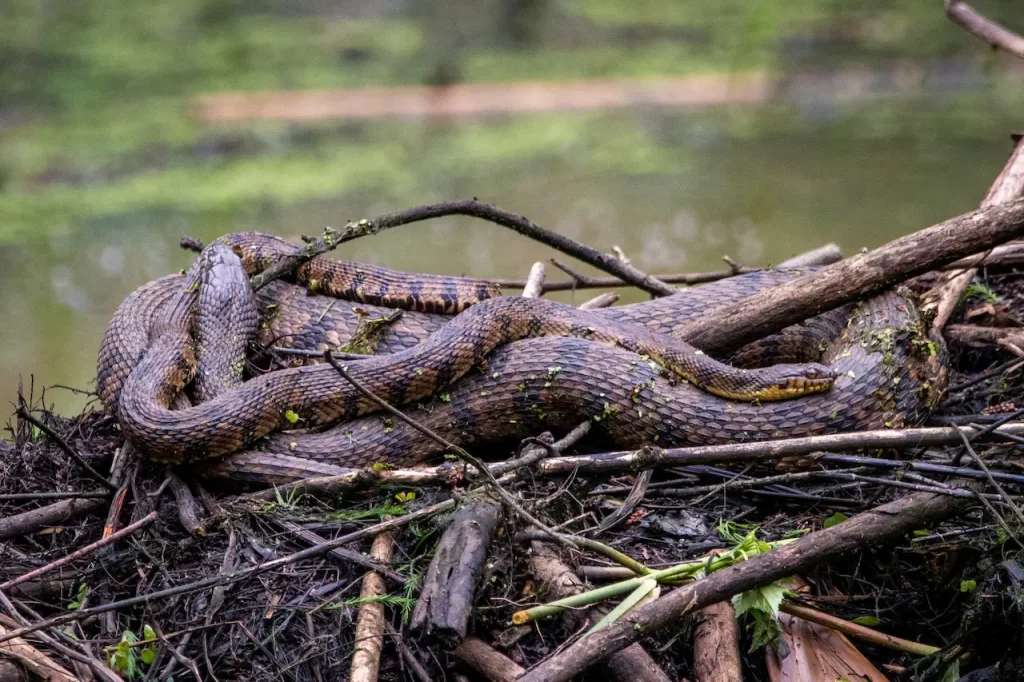

Key takeaways #
- Context matters more than rules of thumb. Thailand’s snake fauna varies meaningfully by region, by season, and by habitat. Advice that holds in southern wet forest does not always hold in northern hill country or in the central agricultural plains.
- Prevention is high-leverage. Most serious snake-related incidents in Thailand are downstream of three preventable behaviours — reaching where you cannot see, walking forest paths at night without a torch, and attempting to handle or kill snakes rather than call professional removal.
- Hospital access is the real safety net. Thai provincial hospitals stock the standard polyvalent antivenoms. The single biggest predictor of bad outcome from a serious bite is delay in reaching one of those hospitals.
- Citizen-science records help. Even casual photographs with location data, posted to platforms like iNaturalist, contribute to the regional knowledge base. Most Thai snake species have surprisingly thin distribution data; one well-documented sighting can fill a real gap.
Common questions #
How likely am I to see a snake on a casual visit to Thailand?
Lower than you probably expect. A casual three-hour daytime forest hike in southern Thailand has roughly a 5–10% chance of producing any snake encounter at all, and roughly a 0.5–1% chance of producing a venomous-species sighting. Visitors who deliberately go looking — at night, in good habitat — see far more, but the casual exposure is genuinely low.
What time of year has the most snake activity?
The wet season (May through October) produces by far the most snake encounters across most of Thailand. Within that, two peaks: the start of the rains (April–June) when males are moving for breeding, and late wet season (September–November) when juvenile cohorts disperse from nest sites. The dry season (December–March) is genuinely quieter for snake-watching, particularly in the north and northeast.
Are Thai snakebite outcomes really that good?
For patients who reach a hospital within an hour or two of a venomous bite, yes — Thai outcomes are excellent by international standards. Mortality with appropriate antivenom and supportive care runs under 1% for most species. The deaths that do happen are concentrated in cases of significant pre-hospital delay, mis-identification of species, or in patients with serious co-morbidities. The Thai system is robust; the failure modes are mostly upstream of the hospital.
What is the single best preventive measure?
A torch at night. The single biggest reducer of Thai snakebite risk is consistent, eyes-down torch use on every walking path after dark. Most preventable bites in southern Thailand are foot-on-snake events on the ground at night, and a torch beam on the trail at metre-down angle prevents the great majority of them. Closed footwear is the second-biggest improvement; long trousers in dense vegetation is third.
- Species misidentification. A patient arrives with no photograph; the clinician guesses based on bite-site appearance and presenting symptoms; the guess is wrong; the wrong antivenom is given. Especially common with the Red-Necked Keelback (mistaken for harmless), kraits (slow-onset, missed at presentation) and small juveniles of any dangerous species.
- Delayed coagulation testing for keelback bites. Patients with apparent “minor” bites discharged early, then return 24-48 hours later with a coagulopathy that should have been caught with serial 20WBCT testing.
- Wrong antivenom dose. Antivenom is typically given as 5-10 vials initial, with repeat doses based on response. Under-dosing is more common than over-dosing in resource-limited settings; some patients need 20+ vials before the venom is fully neutralised.
- Tourniquet damage. Patients arrive with a tight tourniquet that has been on for hours; tissue damage from the tourniquet can exceed the venom damage.
- Folk-remedy interference. Patients having taken herbal preparations, applied poultices, or undergone “snake doctor” treatments before reaching the hospital. The interference can mask symptoms and delay correct treatment.
What the patient can do #
- Photograph the snake (safely). Even a poor photograph from 2 m away is better than nothing. Identification changes the treatment.
- Note the bite time and the snake size. Both are clinical inputs.
- Insist on a 20WBCT immediately for any suspected viper or keelback bite, with serial repeats over 24 hours.
- Refuse tourniquet, knife, and ice. If the well-meaning bystander or paramedic offers any of these, decline.
- Get to a hospital, not a clinic. Provincial hospitals stock antivenom; small clinics often do not.
What the clinician can do #
- Photograph protocol on arrival. Asking specifically for any photograph of the snake should be a routine first question.
- 20WBCT at presentation, repeat at 6, 12 and 24 hours. Inexpensive, sensitive, and catches the delayed coagulopathy of keelback bites.
- Document treatment timing carefully. Time from bite to first antivenom is the strongest predictor of outcome.
- Refer early if outside scope. Small district hospitals should refer rather than try to manage complex envenomations.
- Continuing education. The species spectrum, antivenom availability, and clinical management evolve. Annual refresher training matters.
The systemic picture #
The Thai healthcare system handles snakebite well by international standards. Antivenom is widely stocked, training is reasonable, and outcomes are good. The failures we see are mostly in two categories: the rapid first-aid window (where bystanders make wrong choices) and the discharge decision for delayed-onset bites (where serial testing was not done). Improving these two areas would reduce the failure rate substantially.
For the practical patient-side guide see our snakebite first-aid reference. For the clinical timeline see snakebite timeline. For the delayed-coagulopathy specific picture see Rhabdophis subminiatus delayed coagulopathy.
External references: the WHO snakebite envenoming hub for international treatment guidelines and the Queen Saovabha Memorial Institute for Thai antivenom information.
Key takeaways #
- Context matters more than rules of thumb. Thailand’s snake fauna varies meaningfully by region, by season, and by habitat. Advice that holds in southern wet forest does not always hold in northern hill country or in the central agricultural plains.
- Prevention is high-leverage. Most serious snake-related incidents in Thailand are downstream of three preventable behaviours — reaching where you cannot see, walking forest paths at night without a torch, and attempting to handle or kill snakes rather than call professional removal.
- Hospital access is the real safety net. Thai provincial hospitals stock the standard polyvalent antivenoms. The single biggest predictor of bad outcome from a serious bite is delay in reaching one of those hospitals.
- Citizen-science records help. Even casual photographs with location data, posted to platforms like iNaturalist, contribute to the regional knowledge base. Most Thai snake species have surprisingly thin distribution data; one well-documented sighting can fill a real gap.
Common questions #
How likely am I to see a snake on a casual visit to Thailand?
Lower than you probably expect. A casual three-hour daytime forest hike in southern Thailand has roughly a 5–10% chance of producing any snake encounter at all, and roughly a 0.5–1% chance of producing a venomous-species sighting. Visitors who deliberately go looking — at night, in good habitat — see far more, but the casual exposure is genuinely low.
What time of year has the most snake activity?
The wet season (May through October) produces by far the most snake encounters across most of Thailand. Within that, two peaks: the start of the rains (April–June) when males are moving for breeding, and late wet season (September–November) when juvenile cohorts disperse from nest sites. The dry season (December–March) is genuinely quieter for snake-watching, particularly in the north and northeast.
Are Thai snakebite outcomes really that good?
For patients who reach a hospital within an hour or two of a venomous bite, yes — Thai outcomes are excellent by international standards. Mortality with appropriate antivenom and supportive care runs under 1% for most species. The deaths that do happen are concentrated in cases of significant pre-hospital delay, mis-identification of species, or in patients with serious co-morbidities. The Thai system is robust; the failure modes are mostly upstream of the hospital.
What is the single best preventive measure?
A torch at night. The single biggest reducer of Thai snakebite risk is consistent, eyes-down torch use on every walking path after dark. Most preventable bites in southern Thailand are foot-on-snake events on the ground at night, and a torch beam on the trail at metre-down angle prevents the great majority of them. Closed footwear is the second-biggest improvement; long trousers in dense vegetation is third.
- Photograph the snake (safely). Even a poor photograph from 2 m away is better than nothing. Identification changes the treatment.
- Note the bite time and the snake size. Both are clinical inputs.
- Insist on a 20WBCT immediately for any suspected viper or keelback bite, with serial repeats over 24 hours.
- Refuse tourniquet, knife, and ice. If the well-meaning bystander or paramedic offers any of these, decline.
- Get to a hospital, not a clinic. Provincial hospitals stock antivenom; small clinics often do not.
What the clinician can do #
- Photograph protocol on arrival. Asking specifically for any photograph of the snake should be a routine first question.
- 20WBCT at presentation, repeat at 6, 12 and 24 hours. Inexpensive, sensitive, and catches the delayed coagulopathy of keelback bites.
- Document treatment timing carefully. Time from bite to first antivenom is the strongest predictor of outcome.
- Refer early if outside scope. Small district hospitals should refer rather than try to manage complex envenomations.
- Continuing education. The species spectrum, antivenom availability, and clinical management evolve. Annual refresher training matters.
The systemic picture #
The Thai healthcare system handles snakebite well by international standards. Antivenom is widely stocked, training is reasonable, and outcomes are good. The failures we see are mostly in two categories: the rapid first-aid window (where bystanders make wrong choices) and the discharge decision for delayed-onset bites (where serial testing was not done). Improving these two areas would reduce the failure rate substantially.
For the practical patient-side guide see our snakebite first-aid reference. For the clinical timeline see snakebite timeline. For the delayed-coagulopathy specific picture see Rhabdophis subminiatus delayed coagulopathy.
External references: the WHO snakebite envenoming hub for international treatment guidelines and the Queen Saovabha Memorial Institute for Thai antivenom information.
- Species misidentification. A patient arrives with no photograph; the clinician guesses based on bite-site appearance and presenting symptoms; the guess is wrong; the wrong antivenom is given. Especially common with the Red-Necked Keelback (mistaken for harmless), kraits (slow-onset, missed at presentation) and small juveniles of any dangerous species.
- Delayed coagulation testing for keelback bites. Patients with apparent “minor” bites discharged early, then return 24-48 hours later with a coagulopathy that should have been caught with serial 20WBCT testing.
- Wrong antivenom dose. Antivenom is typically given as 5-10 vials initial, with repeat doses based on response. Under-dosing is more common than over-dosing in resource-limited settings; some patients need 20+ vials before the venom is fully neutralised.
- Tourniquet damage. Patients arrive with a tight tourniquet that has been on for hours; tissue damage from the tourniquet can exceed the venom damage.
- Folk-remedy interference. Patients having taken herbal preparations, applied poultices, or undergone “snake doctor” treatments before reaching the hospital. The interference can mask symptoms and delay correct treatment.
What the patient can do #
- Photograph the snake (safely). Even a poor photograph from 2 m away is better than nothing. Identification changes the treatment.
- Note the bite time and the snake size. Both are clinical inputs.
- Insist on a 20WBCT immediately for any suspected viper or keelback bite, with serial repeats over 24 hours.
- Refuse tourniquet, knife, and ice. If the well-meaning bystander or paramedic offers any of these, decline.
- Get to a hospital, not a clinic. Provincial hospitals stock antivenom; small clinics often do not.
What the clinician can do #
- Photograph protocol on arrival. Asking specifically for any photograph of the snake should be a routine first question.
- 20WBCT at presentation, repeat at 6, 12 and 24 hours. Inexpensive, sensitive, and catches the delayed coagulopathy of keelback bites.
- Document treatment timing carefully. Time from bite to first antivenom is the strongest predictor of outcome.
- Refer early if outside scope. Small district hospitals should refer rather than try to manage complex envenomations.
- Continuing education. The species spectrum, antivenom availability, and clinical management evolve. Annual refresher training matters.
The systemic picture #
The Thai healthcare system handles snakebite well by international standards. Antivenom is widely stocked, training is reasonable, and outcomes are good. The failures we see are mostly in two categories: the rapid first-aid window (where bystanders make wrong choices) and the discharge decision for delayed-onset bites (where serial testing was not done). Improving these two areas would reduce the failure rate substantially.
For the practical patient-side guide see our snakebite first-aid reference. For the clinical timeline see snakebite timeline. For the delayed-coagulopathy specific picture see Rhabdophis subminiatus delayed coagulopathy.
External references: the WHO snakebite envenoming hub for international treatment guidelines and the Queen Saovabha Memorial Institute for Thai antivenom information.
Key takeaways #
- Context matters more than rules of thumb. Thailand’s snake fauna varies meaningfully by region, by season, and by habitat. Advice that holds in southern wet forest does not always hold in northern hill country or in the central agricultural plains.
- Prevention is high-leverage. Most serious snake-related incidents in Thailand are downstream of three preventable behaviours — reaching where you cannot see, walking forest paths at night without a torch, and attempting to handle or kill snakes rather than call professional removal.
- Hospital access is the real safety net. Thai provincial hospitals stock the standard polyvalent antivenoms. The single biggest predictor of bad outcome from a serious bite is delay in reaching one of those hospitals.
- Citizen-science records help. Even casual photographs with location data, posted to platforms like iNaturalist, contribute to the regional knowledge base. Most Thai snake species have surprisingly thin distribution data; one well-documented sighting can fill a real gap.
Common questions #
How likely am I to see a snake on a casual visit to Thailand?
Lower than you probably expect. A casual three-hour daytime forest hike in southern Thailand has roughly a 5–10% chance of producing any snake encounter at all, and roughly a 0.5–1% chance of producing a venomous-species sighting. Visitors who deliberately go looking — at night, in good habitat — see far more, but the casual exposure is genuinely low.
What time of year has the most snake activity?
The wet season (May through October) produces by far the most snake encounters across most of Thailand. Within that, two peaks: the start of the rains (April–June) when males are moving for breeding, and late wet season (September–November) when juvenile cohorts disperse from nest sites. The dry season (December–March) is genuinely quieter for snake-watching, particularly in the north and northeast.
Are Thai snakebite outcomes really that good?
For patients who reach a hospital within an hour or two of a venomous bite, yes — Thai outcomes are excellent by international standards. Mortality with appropriate antivenom and supportive care runs under 1% for most species. The deaths that do happen are concentrated in cases of significant pre-hospital delay, mis-identification of species, or in patients with serious co-morbidities. The Thai system is robust; the failure modes are mostly upstream of the hospital.
What is the single best preventive measure?
A torch at night. The single biggest reducer of Thai snakebite risk is consistent, eyes-down torch use on every walking path after dark. Most preventable bites in southern Thailand are foot-on-snake events on the ground at night, and a torch beam on the trail at metre-down angle prevents the great majority of them. Closed footwear is the second-biggest improvement; long trousers in dense vegetation is third.
- Photograph the snake (safely). Even a poor photograph from 2 m away is better than nothing. Identification changes the treatment.
- Note the bite time and the snake size. Both are clinical inputs.
- Insist on a 20WBCT immediately for any suspected viper or keelback bite, with serial repeats over 24 hours.
- Refuse tourniquet, knife, and ice. If the well-meaning bystander or paramedic offers any of these, decline.
- Get to a hospital, not a clinic. Provincial hospitals stock antivenom; small clinics often do not.
What the clinician can do #
- Photograph protocol on arrival. Asking specifically for any photograph of the snake should be a routine first question.
- 20WBCT at presentation, repeat at 6, 12 and 24 hours. Inexpensive, sensitive, and catches the delayed coagulopathy of keelback bites.
- Document treatment timing carefully. Time from bite to first antivenom is the strongest predictor of outcome.
- Refer early if outside scope. Small district hospitals should refer rather than try to manage complex envenomations.
- Continuing education. The species spectrum, antivenom availability, and clinical management evolve. Annual refresher training matters.
The systemic picture #
The Thai healthcare system handles snakebite well by international standards. Antivenom is widely stocked, training is reasonable, and outcomes are good. The failures we see are mostly in two categories: the rapid first-aid window (where bystanders make wrong choices) and the discharge decision for delayed-onset bites (where serial testing was not done). Improving these two areas would reduce the failure rate substantially.
For the practical patient-side guide see our snakebite first-aid reference. For the clinical timeline see snakebite timeline. For the delayed-coagulopathy specific picture see Rhabdophis subminiatus delayed coagulopathy.
External references: the WHO snakebite envenoming hub for international treatment guidelines and the Queen Saovabha Memorial Institute for Thai antivenom information.
- Species misidentification. A patient arrives with no photograph; the clinician guesses based on bite-site appearance and presenting symptoms; the guess is wrong; the wrong antivenom is given. Especially common with the Red-Necked Keelback (mistaken for harmless), kraits (slow-onset, missed at presentation) and small juveniles of any dangerous species.
- Delayed coagulation testing for keelback bites. Patients with apparent “minor” bites discharged early, then return 24-48 hours later with a coagulopathy that should have been caught with serial 20WBCT testing.
- Wrong antivenom dose. Antivenom is typically given as 5-10 vials initial, with repeat doses based on response. Under-dosing is more common than over-dosing in resource-limited settings; some patients need 20+ vials before the venom is fully neutralised.
- Tourniquet damage. Patients arrive with a tight tourniquet that has been on for hours; tissue damage from the tourniquet can exceed the venom damage.
- Folk-remedy interference. Patients having taken herbal preparations, applied poultices, or undergone “snake doctor” treatments before reaching the hospital. The interference can mask symptoms and delay correct treatment.
What the patient can do #
- Photograph the snake (safely). Even a poor photograph from 2 m away is better than nothing. Identification changes the treatment.
- Note the bite time and the snake size. Both are clinical inputs.
- Insist on a 20WBCT immediately for any suspected viper or keelback bite, with serial repeats over 24 hours.
- Refuse tourniquet, knife, and ice. If the well-meaning bystander or paramedic offers any of these, decline.
- Get to a hospital, not a clinic. Provincial hospitals stock antivenom; small clinics often do not.
What the clinician can do #
- Photograph protocol on arrival. Asking specifically for any photograph of the snake should be a routine first question.
- 20WBCT at presentation, repeat at 6, 12 and 24 hours. Inexpensive, sensitive, and catches the delayed coagulopathy of keelback bites.
- Document treatment timing carefully. Time from bite to first antivenom is the strongest predictor of outcome.
- Refer early if outside scope. Small district hospitals should refer rather than try to manage complex envenomations.
- Continuing education. The species spectrum, antivenom availability, and clinical management evolve. Annual refresher training matters.
The systemic picture #
The Thai healthcare system handles snakebite well by international standards. Antivenom is widely stocked, training is reasonable, and outcomes are good. The failures we see are mostly in two categories: the rapid first-aid window (where bystanders make wrong choices) and the discharge decision for delayed-onset bites (where serial testing was not done). Improving these two areas would reduce the failure rate substantially.
For the practical patient-side guide see our snakebite first-aid reference. For the clinical timeline see snakebite timeline. For the delayed-coagulopathy specific picture see Rhabdophis subminiatus delayed coagulopathy.
External references: the WHO snakebite envenoming hub for international treatment guidelines and the Queen Saovabha Memorial Institute for Thai antivenom information.
Key takeaways #
- Context matters more than rules of thumb. Thailand’s snake fauna varies meaningfully by region, by season, and by habitat. Advice that holds in southern wet forest does not always hold in northern hill country or in the central agricultural plains.
- Prevention is high-leverage. Most serious snake-related incidents in Thailand are downstream of three preventable behaviours — reaching where you cannot see, walking forest paths at night without a torch, and attempting to handle or kill snakes rather than call professional removal.
- Hospital access is the real safety net. Thai provincial hospitals stock the standard polyvalent antivenoms. The single biggest predictor of bad outcome from a serious bite is delay in reaching one of those hospitals.
- Citizen-science records help. Even casual photographs with location data, posted to platforms like iNaturalist, contribute to the regional knowledge base. Most Thai snake species have surprisingly thin distribution data; one well-documented sighting can fill a real gap.
Common questions #
How likely am I to see a snake on a casual visit to Thailand?
Lower than you probably expect. A casual three-hour daytime forest hike in southern Thailand has roughly a 5–10% chance of producing any snake encounter at all, and roughly a 0.5–1% chance of producing a venomous-species sighting. Visitors who deliberately go looking — at night, in good habitat — see far more, but the casual exposure is genuinely low.
What time of year has the most snake activity?
The wet season (May through October) produces by far the most snake encounters across most of Thailand. Within that, two peaks: the start of the rains (April–June) when males are moving for breeding, and late wet season (September–November) when juvenile cohorts disperse from nest sites. The dry season (December–March) is genuinely quieter for snake-watching, particularly in the north and northeast.
Are Thai snakebite outcomes really that good?
For patients who reach a hospital within an hour or two of a venomous bite, yes — Thai outcomes are excellent by international standards. Mortality with appropriate antivenom and supportive care runs under 1% for most species. The deaths that do happen are concentrated in cases of significant pre-hospital delay, mis-identification of species, or in patients with serious co-morbidities. The Thai system is robust; the failure modes are mostly upstream of the hospital.
What is the single best preventive measure?
A torch at night. The single biggest reducer of Thai snakebite risk is consistent, eyes-down torch use on every walking path after dark. Most preventable bites in southern Thailand are foot-on-snake events on the ground at night, and a torch beam on the trail at metre-down angle prevents the great majority of them. Closed footwear is the second-biggest improvement; long trousers in dense vegetation is third.
- Species misidentification. A patient arrives with no photograph; the clinician guesses based on bite-site appearance and presenting symptoms; the guess is wrong; the wrong antivenom is given. Especially common with the Red-Necked Keelback (mistaken for harmless), kraits (slow-onset, missed at presentation) and small juveniles of any dangerous species.
- Delayed coagulation testing for keelback bites. Patients with apparent “minor” bites discharged early, then return 24-48 hours later with a coagulopathy that should have been caught with serial 20WBCT testing.
- Wrong antivenom dose. Antivenom is typically given as 5-10 vials initial, with repeat doses based on response. Under-dosing is more common than over-dosing in resource-limited settings; some patients need 20+ vials before the venom is fully neutralised.
- Tourniquet damage. Patients arrive with a tight tourniquet that has been on for hours; tissue damage from the tourniquet can exceed the venom damage.
- Folk-remedy interference. Patients having taken herbal preparations, applied poultices, or undergone “snake doctor” treatments before reaching the hospital. The interference can mask symptoms and delay correct treatment.
What the patient can do #
- Photograph the snake (safely). Even a poor photograph from 2 m away is better than nothing. Identification changes the treatment.
- Note the bite time and the snake size. Both are clinical inputs.
- Insist on a 20WBCT immediately for any suspected viper or keelback bite, with serial repeats over 24 hours.
- Refuse tourniquet, knife, and ice. If the well-meaning bystander or paramedic offers any of these, decline.
- Get to a hospital, not a clinic. Provincial hospitals stock antivenom; small clinics often do not.
What the clinician can do #
- Photograph protocol on arrival. Asking specifically for any photograph of the snake should be a routine first question.
- 20WBCT at presentation, repeat at 6, 12 and 24 hours. Inexpensive, sensitive, and catches the delayed coagulopathy of keelback bites.
- Document treatment timing carefully. Time from bite to first antivenom is the strongest predictor of outcome.
- Refer early if outside scope. Small district hospitals should refer rather than try to manage complex envenomations.
- Continuing education. The species spectrum, antivenom availability, and clinical management evolve. Annual refresher training matters.
The systemic picture #
The Thai healthcare system handles snakebite well by international standards. Antivenom is widely stocked, training is reasonable, and outcomes are good. The failures we see are mostly in two categories: the rapid first-aid window (where bystanders make wrong choices) and the discharge decision for delayed-onset bites (where serial testing was not done). Improving these two areas would reduce the failure rate substantially.
For the practical patient-side guide see our snakebite first-aid reference. For the clinical timeline see snakebite timeline. For the delayed-coagulopathy specific picture see Rhabdophis subminiatus delayed coagulopathy.
External references: the WHO snakebite envenoming hub for international treatment guidelines and the Queen Saovabha Memorial Institute for Thai antivenom information.
Key takeaways #
- Context matters more than rules of thumb. Thailand’s snake fauna varies meaningfully by region, by season, and by habitat. Advice that holds in southern wet forest does not always hold in northern hill country or in the central agricultural plains.
- Prevention is high-leverage. Most serious snake-related incidents in Thailand are downstream of three preventable behaviours — reaching where you cannot see, walking forest paths at night without a torch, and attempting to handle or kill snakes rather than call professional removal.
- Hospital access is the real safety net. Thai provincial hospitals stock the standard polyvalent antivenoms. The single biggest predictor of bad outcome from a serious bite is delay in reaching one of those hospitals.
- Citizen-science records help. Even casual photographs with location data, posted to platforms like iNaturalist, contribute to the regional knowledge base. Most Thai snake species have surprisingly thin distribution data; one well-documented sighting can fill a real gap.
Common questions #
How likely am I to see a snake on a casual visit to Thailand?
Lower than you probably expect. A casual three-hour daytime forest hike in southern Thailand has roughly a 5–10% chance of producing any snake encounter at all, and roughly a 0.5–1% chance of producing a venomous-species sighting. Visitors who deliberately go looking — at night, in good habitat — see far more, but the casual exposure is genuinely low.
What time of year has the most snake activity?
The wet season (May through October) produces by far the most snake encounters across most of Thailand. Within that, two peaks: the start of the rains (April–June) when males are moving for breeding, and late wet season (September–November) when juvenile cohorts disperse from nest sites. The dry season (December–March) is genuinely quieter for snake-watching, particularly in the north and northeast.
Are Thai snakebite outcomes really that good?
For patients who reach a hospital within an hour or two of a venomous bite, yes — Thai outcomes are excellent by international standards. Mortality with appropriate antivenom and supportive care runs under 1% for most species. The deaths that do happen are concentrated in cases of significant pre-hospital delay, mis-identification of species, or in patients with serious co-morbidities. The Thai system is robust; the failure modes are mostly upstream of the hospital.
What is the single best preventive measure?
A torch at night. The single biggest reducer of Thai snakebite risk is consistent, eyes-down torch use on every walking path after dark. Most preventable bites in southern Thailand are foot-on-snake events on the ground at night, and a torch beam on the trail at metre-down angle prevents the great majority of them. Closed footwear is the second-biggest improvement; long trousers in dense vegetation is third.
- Photograph the snake (safely). Even a poor photograph from 2 m away is better than nothing. Identification changes the treatment.
- Note the bite time and the snake size. Both are clinical inputs.
- Insist on a 20WBCT immediately for any suspected viper or keelback bite, with serial repeats over 24 hours.
- Refuse tourniquet, knife, and ice. If the well-meaning bystander or paramedic offers any of these, decline.
- Get to a hospital, not a clinic. Provincial hospitals stock antivenom; small clinics often do not.
What the clinician can do #
- Photograph protocol on arrival. Asking specifically for any photograph of the snake should be a routine first question.
- 20WBCT at presentation, repeat at 6, 12 and 24 hours. Inexpensive, sensitive, and catches the delayed coagulopathy of keelback bites.
- Document treatment timing carefully. Time from bite to first antivenom is the strongest predictor of outcome.
- Refer early if outside scope. Small district hospitals should refer rather than try to manage complex envenomations.
- Continuing education. The species spectrum, antivenom availability, and clinical management evolve. Annual refresher training matters.
The systemic picture #
The Thai healthcare system handles snakebite well by international standards. Antivenom is widely stocked, training is reasonable, and outcomes are good. The failures we see are mostly in two categories: the rapid first-aid window (where bystanders make wrong choices) and the discharge decision for delayed-onset bites (where serial testing was not done). Improving these two areas would reduce the failure rate substantially.
For the practical patient-side guide see our snakebite first-aid reference. For the clinical timeline see snakebite timeline. For the delayed-coagulopathy specific picture see Rhabdophis subminiatus delayed coagulopathy.
External references: the WHO snakebite envenoming hub for international treatment guidelines and the Queen Saovabha Memorial Institute for Thai antivenom information.
- Species misidentification. A patient arrives with no photograph; the clinician guesses based on bite-site appearance and presenting symptoms; the guess is wrong; the wrong antivenom is given. Especially common with the Red-Necked Keelback (mistaken for harmless), kraits (slow-onset, missed at presentation) and small juveniles of any dangerous species.
- Delayed coagulation testing for keelback bites. Patients with apparent “minor” bites discharged early, then return 24-48 hours later with a coagulopathy that should have been caught with serial 20WBCT testing.
- Wrong antivenom dose. Antivenom is typically given as 5-10 vials initial, with repeat doses based on response. Under-dosing is more common than over-dosing in resource-limited settings; some patients need 20+ vials before the venom is fully neutralised.
- Tourniquet damage. Patients arrive with a tight tourniquet that has been on for hours; tissue damage from the tourniquet can exceed the venom damage.
- Folk-remedy interference. Patients having taken herbal preparations, applied poultices, or undergone “snake doctor” treatments before reaching the hospital. The interference can mask symptoms and delay correct treatment.
What the patient can do #
- Photograph the snake (safely). Even a poor photograph from 2 m away is better than nothing. Identification changes the treatment.
- Note the bite time and the snake size. Both are clinical inputs.
- Insist on a 20WBCT immediately for any suspected viper or keelback bite, with serial repeats over 24 hours.
- Refuse tourniquet, knife, and ice. If the well-meaning bystander or paramedic offers any of these, decline.
- Get to a hospital, not a clinic. Provincial hospitals stock antivenom; small clinics often do not.
What the clinician can do #
- Photograph protocol on arrival. Asking specifically for any photograph of the snake should be a routine first question.
- 20WBCT at presentation, repeat at 6, 12 and 24 hours. Inexpensive, sensitive, and catches the delayed coagulopathy of keelback bites.
- Document treatment timing carefully. Time from bite to first antivenom is the strongest predictor of outcome.
- Refer early if outside scope. Small district hospitals should refer rather than try to manage complex envenomations.
- Continuing education. The species spectrum, antivenom availability, and clinical management evolve. Annual refresher training matters.
The systemic picture #
The Thai healthcare system handles snakebite well by international standards. Antivenom is widely stocked, training is reasonable, and outcomes are good. The failures we see are mostly in two categories: the rapid first-aid window (where bystanders make wrong choices) and the discharge decision for delayed-onset bites (where serial testing was not done). Improving these two areas would reduce the failure rate substantially.
For the practical patient-side guide see our snakebite first-aid reference. For the clinical timeline see snakebite timeline. For the delayed-coagulopathy specific picture see Rhabdophis subminiatus delayed coagulopathy.
External references: the WHO snakebite envenoming hub for international treatment guidelines and the Queen Saovabha Memorial Institute for Thai antivenom information.
Key takeaways #
- Context matters more than rules of thumb. Thailand’s snake fauna varies meaningfully by region, by season, and by habitat. Advice that holds in southern wet forest does not always hold in northern hill country or in the central agricultural plains.
- Prevention is high-leverage. Most serious snake-related incidents in Thailand are downstream of three preventable behaviours — reaching where you cannot see, walking forest paths at night without a torch, and attempting to handle or kill snakes rather than call professional removal.
- Hospital access is the real safety net. Thai provincial hospitals stock the standard polyvalent antivenoms. The single biggest predictor of bad outcome from a serious bite is delay in reaching one of those hospitals.
- Citizen-science records help. Even casual photographs with location data, posted to platforms like iNaturalist, contribute to the regional knowledge base. Most Thai snake species have surprisingly thin distribution data; one well-documented sighting can fill a real gap.
Common questions #
How likely am I to see a snake on a casual visit to Thailand?
Lower than you probably expect. A casual three-hour daytime forest hike in southern Thailand has roughly a 5–10% chance of producing any snake encounter at all, and roughly a 0.5–1% chance of producing a venomous-species sighting. Visitors who deliberately go looking — at night, in good habitat — see far more, but the casual exposure is genuinely low.
What time of year has the most snake activity?
The wet season (May through October) produces by far the most snake encounters across most of Thailand. Within that, two peaks: the start of the rains (April–June) when males are moving for breeding, and late wet season (September–November) when juvenile cohorts disperse from nest sites. The dry season (December–March) is genuinely quieter for snake-watching, particularly in the north and northeast.
Are Thai snakebite outcomes really that good?
For patients who reach a hospital within an hour or two of a venomous bite, yes — Thai outcomes are excellent by international standards. Mortality with appropriate antivenom and supportive care runs under 1% for most species. The deaths that do happen are concentrated in cases of significant pre-hospital delay, mis-identification of species, or in patients with serious co-morbidities. The Thai system is robust; the failure modes are mostly upstream of the hospital.
What is the single best preventive measure?
A torch at night. The single biggest reducer of Thai snakebite risk is consistent, eyes-down torch use on every walking path after dark. Most preventable bites in southern Thailand are foot-on-snake events on the ground at night, and a torch beam on the trail at metre-down angle prevents the great majority of them. Closed footwear is the second-biggest improvement; long trousers in dense vegetation is third.
- Species misidentification. A patient arrives with no photograph; the clinician guesses based on bite-site appearance and presenting symptoms; the guess is wrong; the wrong antivenom is given. Especially common with the Red-Necked Keelback (mistaken for harmless), kraits (slow-onset, missed at presentation) and small juveniles of any dangerous species.
- Delayed coagulation testing for keelback bites. Patients with apparent “minor” bites discharged early, then return 24-48 hours later with a coagulopathy that should have been caught with serial 20WBCT testing.
- Wrong antivenom dose. Antivenom is typically given as 5-10 vials initial, with repeat doses based on response. Under-dosing is more common than over-dosing in resource-limited settings; some patients need 20+ vials before the venom is fully neutralised.
- Tourniquet damage. Patients arrive with a tight tourniquet that has been on for hours; tissue damage from the tourniquet can exceed the venom damage.
- Folk-remedy interference. Patients having taken herbal preparations, applied poultices, or undergone “snake doctor” treatments before reaching the hospital. The interference can mask symptoms and delay correct treatment.
What the patient can do #
- Photograph the snake (safely). Even a poor photograph from 2 m away is better than nothing. Identification changes the treatment.
- Note the bite time and the snake size. Both are clinical inputs.
- Insist on a 20WBCT immediately for any suspected viper or keelback bite, with serial repeats over 24 hours.
- Refuse tourniquet, knife, and ice. If the well-meaning bystander or paramedic offers any of these, decline.
- Get to a hospital, not a clinic. Provincial hospitals stock antivenom; small clinics often do not.
What the clinician can do #
- Photograph protocol on arrival. Asking specifically for any photograph of the snake should be a routine first question.
- 20WBCT at presentation, repeat at 6, 12 and 24 hours. Inexpensive, sensitive, and catches the delayed coagulopathy of keelback bites.
- Document treatment timing carefully. Time from bite to first antivenom is the strongest predictor of outcome.
- Refer early if outside scope. Small district hospitals should refer rather than try to manage complex envenomations.
- Continuing education. The species spectrum, antivenom availability, and clinical management evolve. Annual refresher training matters.
The systemic picture #
The Thai healthcare system handles snakebite well by international standards. Antivenom is widely stocked, training is reasonable, and outcomes are good. The failures we see are mostly in two categories: the rapid first-aid window (where bystanders make wrong choices) and the discharge decision for delayed-onset bites (where serial testing was not done). Improving these two areas would reduce the failure rate substantially.
For the practical patient-side guide see our snakebite first-aid reference. For the clinical timeline see snakebite timeline. For the delayed-coagulopathy specific picture see Rhabdophis subminiatus delayed coagulopathy.
External references: the WHO snakebite envenoming hub for international treatment guidelines and the Queen Saovabha Memorial Institute for Thai antivenom information.
Key takeaways #
- Context matters more than rules of thumb. Thailand’s snake fauna varies meaningfully by region, by season, and by habitat. Advice that holds in southern wet forest does not always hold in northern hill country or in the central agricultural plains.
- Prevention is high-leverage. Most serious snake-related incidents in Thailand are downstream of three preventable behaviours — reaching where you cannot see, walking forest paths at night without a torch, and attempting to handle or kill snakes rather than call professional removal.
- Hospital access is the real safety net. Thai provincial hospitals stock the standard polyvalent antivenoms. The single biggest predictor of bad outcome from a serious bite is delay in reaching one of those hospitals.
- Citizen-science records help. Even casual photographs with location data, posted to platforms like iNaturalist, contribute to the regional knowledge base. Most Thai snake species have surprisingly thin distribution data; one well-documented sighting can fill a real gap.
Common questions #
How likely am I to see a snake on a casual visit to Thailand?
Lower than you probably expect. A casual three-hour daytime forest hike in southern Thailand has roughly a 5–10% chance of producing any snake encounter at all, and roughly a 0.5–1% chance of producing a venomous-species sighting. Visitors who deliberately go looking — at night, in good habitat — see far more, but the casual exposure is genuinely low.
What time of year has the most snake activity?
The wet season (May through October) produces by far the most snake encounters across most of Thailand. Within that, two peaks: the start of the rains (April–June) when males are moving for breeding, and late wet season (September–November) when juvenile cohorts disperse from nest sites. The dry season (December–March) is genuinely quieter for snake-watching, particularly in the north and northeast.
Are Thai snakebite outcomes really that good?
For patients who reach a hospital within an hour or two of a venomous bite, yes — Thai outcomes are excellent by international standards. Mortality with appropriate antivenom and supportive care runs under 1% for most species. The deaths that do happen are concentrated in cases of significant pre-hospital delay, mis-identification of species, or in patients with serious co-morbidities. The Thai system is robust; the failure modes are mostly upstream of the hospital.
What is the single best preventive measure?
A torch at night. The single biggest reducer of Thai snakebite risk is consistent, eyes-down torch use on every walking path after dark. Most preventable bites in southern Thailand are foot-on-snake events on the ground at night, and a torch beam on the trail at metre-down angle prevents the great majority of them. Closed footwear is the second-biggest improvement; long trousers in dense vegetation is third.
- Photograph the snake (safely). Even a poor photograph from 2 m away is better than nothing. Identification changes the treatment.
- Note the bite time and the snake size. Both are clinical inputs.
- Insist on a 20WBCT immediately for any suspected viper or keelback bite, with serial repeats over 24 hours.
- Refuse tourniquet, knife, and ice. If the well-meaning bystander or paramedic offers any of these, decline.
- Get to a hospital, not a clinic. Provincial hospitals stock antivenom; small clinics often do not.
What the clinician can do #
- Photograph protocol on arrival. Asking specifically for any photograph of the snake should be a routine first question.
- 20WBCT at presentation, repeat at 6, 12 and 24 hours. Inexpensive, sensitive, and catches the delayed coagulopathy of keelback bites.
- Document treatment timing carefully. Time from bite to first antivenom is the strongest predictor of outcome.
- Refer early if outside scope. Small district hospitals should refer rather than try to manage complex envenomations.
- Continuing education. The species spectrum, antivenom availability, and clinical management evolve. Annual refresher training matters.
The systemic picture #
The Thai healthcare system handles snakebite well by international standards. Antivenom is widely stocked, training is reasonable, and outcomes are good. The failures we see are mostly in two categories: the rapid first-aid window (where bystanders make wrong choices) and the discharge decision for delayed-onset bites (where serial testing was not done). Improving these two areas would reduce the failure rate substantially.
For the practical patient-side guide see our snakebite first-aid reference. For the clinical timeline see snakebite timeline. For the delayed-coagulopathy specific picture see Rhabdophis subminiatus delayed coagulopathy.
External references: the WHO snakebite envenoming hub for international treatment guidelines and the Queen Saovabha Memorial Institute for Thai antivenom information.
- Species misidentification. A patient arrives with no photograph; the clinician guesses based on bite-site appearance and presenting symptoms; the guess is wrong; the wrong antivenom is given. Especially common with the Red-Necked Keelback (mistaken for harmless), kraits (slow-onset, missed at presentation) and small juveniles of any dangerous species.
- Delayed coagulation testing for keelback bites. Patients with apparent “minor” bites discharged early, then return 24-48 hours later with a coagulopathy that should have been caught with serial 20WBCT testing.
- Wrong antivenom dose. Antivenom is typically given as 5-10 vials initial, with repeat doses based on response. Under-dosing is more common than over-dosing in resource-limited settings; some patients need 20+ vials before the venom is fully neutralised.
- Tourniquet damage. Patients arrive with a tight tourniquet that has been on for hours; tissue damage from the tourniquet can exceed the venom damage.
- Folk-remedy interference. Patients having taken herbal preparations, applied poultices, or undergone “snake doctor” treatments before reaching the hospital. The interference can mask symptoms and delay correct treatment.
What the patient can do #
- Photograph the snake (safely). Even a poor photograph from 2 m away is better than nothing. Identification changes the treatment.
- Note the bite time and the snake size. Both are clinical inputs.
- Insist on a 20WBCT immediately for any suspected viper or keelback bite, with serial repeats over 24 hours.
- Refuse tourniquet, knife, and ice. If the well-meaning bystander or paramedic offers any of these, decline.
- Get to a hospital, not a clinic. Provincial hospitals stock antivenom; small clinics often do not.
What the clinician can do #
- Photograph protocol on arrival. Asking specifically for any photograph of the snake should be a routine first question.
- 20WBCT at presentation, repeat at 6, 12 and 24 hours. Inexpensive, sensitive, and catches the delayed coagulopathy of keelback bites.
- Document treatment timing carefully. Time from bite to first antivenom is the strongest predictor of outcome.
- Refer early if outside scope. Small district hospitals should refer rather than try to manage complex envenomations.
- Continuing education. The species spectrum, antivenom availability, and clinical management evolve. Annual refresher training matters.
The systemic picture #
The Thai healthcare system handles snakebite well by international standards. Antivenom is widely stocked, training is reasonable, and outcomes are good. The failures we see are mostly in two categories: the rapid first-aid window (where bystanders make wrong choices) and the discharge decision for delayed-onset bites (where serial testing was not done). Improving these two areas would reduce the failure rate substantially.
For the practical patient-side guide see our snakebite first-aid reference. For the clinical timeline see snakebite timeline. For the delayed-coagulopathy specific picture see Rhabdophis subminiatus delayed coagulopathy.
External references: the WHO snakebite envenoming hub for international treatment guidelines and the Queen Saovabha Memorial Institute for Thai antivenom information.
Key takeaways #
- Context matters more than rules of thumb. Thailand’s snake fauna varies meaningfully by region, by season, and by habitat. Advice that holds in southern wet forest does not always hold in northern hill country or in the central agricultural plains.
- Prevention is high-leverage. Most serious snake-related incidents in Thailand are downstream of three preventable behaviours — reaching where you cannot see, walking forest paths at night without a torch, and attempting to handle or kill snakes rather than call professional removal.
- Hospital access is the real safety net. Thai provincial hospitals stock the standard polyvalent antivenoms. The single biggest predictor of bad outcome from a serious bite is delay in reaching one of those hospitals.
- Citizen-science records help. Even casual photographs with location data, posted to platforms like iNaturalist, contribute to the regional knowledge base. Most Thai snake species have surprisingly thin distribution data; one well-documented sighting can fill a real gap.
Common questions #
How likely am I to see a snake on a casual visit to Thailand?
Lower than you probably expect. A casual three-hour daytime forest hike in southern Thailand has roughly a 5–10% chance of producing any snake encounter at all, and roughly a 0.5–1% chance of producing a venomous-species sighting. Visitors who deliberately go looking — at night, in good habitat — see far more, but the casual exposure is genuinely low.
What time of year has the most snake activity?
The wet season (May through October) produces by far the most snake encounters across most of Thailand. Within that, two peaks: the start of the rains (April–June) when males are moving for breeding, and late wet season (September–November) when juvenile cohorts disperse from nest sites. The dry season (December–March) is genuinely quieter for snake-watching, particularly in the north and northeast.
Are Thai snakebite outcomes really that good?
For patients who reach a hospital within an hour or two of a venomous bite, yes — Thai outcomes are excellent by international standards. Mortality with appropriate antivenom and supportive care runs under 1% for most species. The deaths that do happen are concentrated in cases of significant pre-hospital delay, mis-identification of species, or in patients with serious co-morbidities. The Thai system is robust; the failure modes are mostly upstream of the hospital.
What is the single best preventive measure?
A torch at night. The single biggest reducer of Thai snakebite risk is consistent, eyes-down torch use on every walking path after dark. Most preventable bites in southern Thailand are foot-on-snake events on the ground at night, and a torch beam on the trail at metre-down angle prevents the great majority of them. Closed footwear is the second-biggest improvement; long trousers in dense vegetation is third.
- Photograph the snake (safely). Even a poor photograph from 2 m away is better than nothing. Identification changes the treatment.
- Note the bite time and the snake size. Both are clinical inputs.
- Insist on a 20WBCT immediately for any suspected viper or keelback bite, with serial repeats over 24 hours.
- Refuse tourniquet, knife, and ice. If the well-meaning bystander or paramedic offers any of these, decline.
- Get to a hospital, not a clinic. Provincial hospitals stock antivenom; small clinics often do not.
What the clinician can do #
- Photograph protocol on arrival. Asking specifically for any photograph of the snake should be a routine first question.
- 20WBCT at presentation, repeat at 6, 12 and 24 hours. Inexpensive, sensitive, and catches the delayed coagulopathy of keelback bites.
- Document treatment timing carefully. Time from bite to first antivenom is the strongest predictor of outcome.
- Refer early if outside scope. Small district hospitals should refer rather than try to manage complex envenomations.
- Continuing education. The species spectrum, antivenom availability, and clinical management evolve. Annual refresher training matters.
The systemic picture #
The Thai healthcare system handles snakebite well by international standards. Antivenom is widely stocked, training is reasonable, and outcomes are good. The failures we see are mostly in two categories: the rapid first-aid window (where bystanders make wrong choices) and the discharge decision for delayed-onset bites (where serial testing was not done). Improving these two areas would reduce the failure rate substantially.
For the practical patient-side guide see our snakebite first-aid reference. For the clinical timeline see snakebite timeline. For the delayed-coagulopathy specific picture see Rhabdophis subminiatus delayed coagulopathy.
External references: the WHO snakebite envenoming hub for international treatment guidelines and the Queen Saovabha Memorial Institute for Thai antivenom information.
- Species misidentification. A patient arrives with no photograph; the clinician guesses based on bite-site appearance and presenting symptoms; the guess is wrong; the wrong antivenom is given. Especially common with the Red-Necked Keelback (mistaken for harmless), kraits (slow-onset, missed at presentation) and small juveniles of any dangerous species.
- Delayed coagulation testing for keelback bites. Patients with apparent “minor” bites discharged early, then return 24-48 hours later with a coagulopathy that should have been caught with serial 20WBCT testing.
- Wrong antivenom dose. Antivenom is typically given as 5-10 vials initial, with repeat doses based on response. Under-dosing is more common than over-dosing in resource-limited settings; some patients need 20+ vials before the venom is fully neutralised.
- Tourniquet damage. Patients arrive with a tight tourniquet that has been on for hours; tissue damage from the tourniquet can exceed the venom damage.
- Folk-remedy interference. Patients having taken herbal preparations, applied poultices, or undergone “snake doctor” treatments before reaching the hospital. The interference can mask symptoms and delay correct treatment.
What the patient can do #
- Photograph the snake (safely). Even a poor photograph from 2 m away is better than nothing. Identification changes the treatment.
- Note the bite time and the snake size. Both are clinical inputs.
- Insist on a 20WBCT immediately for any suspected viper or keelback bite, with serial repeats over 24 hours.
- Refuse tourniquet, knife, and ice. If the well-meaning bystander or paramedic offers any of these, decline.
- Get to a hospital, not a clinic. Provincial hospitals stock antivenom; small clinics often do not.
What the clinician can do #
- Photograph protocol on arrival. Asking specifically for any photograph of the snake should be a routine first question.
- 20WBCT at presentation, repeat at 6, 12 and 24 hours. Inexpensive, sensitive, and catches the delayed coagulopathy of keelback bites.
- Document treatment timing carefully. Time from bite to first antivenom is the strongest predictor of outcome.
- Refer early if outside scope. Small district hospitals should refer rather than try to manage complex envenomations.
- Continuing education. The species spectrum, antivenom availability, and clinical management evolve. Annual refresher training matters.
The systemic picture #
The Thai healthcare system handles snakebite well by international standards. Antivenom is widely stocked, training is reasonable, and outcomes are good. The failures we see are mostly in two categories: the rapid first-aid window (where bystanders make wrong choices) and the discharge decision for delayed-onset bites (where serial testing was not done). Improving these two areas would reduce the failure rate substantially.
For the practical patient-side guide see our snakebite first-aid reference. For the clinical timeline see snakebite timeline. For the delayed-coagulopathy specific picture see Rhabdophis subminiatus delayed coagulopathy.
External references: the WHO snakebite envenoming hub for international treatment guidelines and the Queen Saovabha Memorial Institute for Thai antivenom information.
Key takeaways #
- Context matters more than rules of thumb. Thailand’s snake fauna varies meaningfully by region, by season, and by habitat. Advice that holds in southern wet forest does not always hold in northern hill country or in the central agricultural plains.
- Prevention is high-leverage. Most serious snake-related incidents in Thailand are downstream of three preventable behaviours — reaching where you cannot see, walking forest paths at night without a torch, and attempting to handle or kill snakes rather than call professional removal.
- Hospital access is the real safety net. Thai provincial hospitals stock the standard polyvalent antivenoms. The single biggest predictor of bad outcome from a serious bite is delay in reaching one of those hospitals.
- Citizen-science records help. Even casual photographs with location data, posted to platforms like iNaturalist, contribute to the regional knowledge base. Most Thai snake species have surprisingly thin distribution data; one well-documented sighting can fill a real gap.
Common questions #
How likely am I to see a snake on a casual visit to Thailand?
Lower than you probably expect. A casual three-hour daytime forest hike in southern Thailand has roughly a 5–10% chance of producing any snake encounter at all, and roughly a 0.5–1% chance of producing a venomous-species sighting. Visitors who deliberately go looking — at night, in good habitat — see far more, but the casual exposure is genuinely low.
What time of year has the most snake activity?
The wet season (May through October) produces by far the most snake encounters across most of Thailand. Within that, two peaks: the start of the rains (April–June) when males are moving for breeding, and late wet season (September–November) when juvenile cohorts disperse from nest sites. The dry season (December–March) is genuinely quieter for snake-watching, particularly in the north and northeast.
Are Thai snakebite outcomes really that good?
For patients who reach a hospital within an hour or two of a venomous bite, yes — Thai outcomes are excellent by international standards. Mortality with appropriate antivenom and supportive care runs under 1% for most species. The deaths that do happen are concentrated in cases of significant pre-hospital delay, mis-identification of species, or in patients with serious co-morbidities. The Thai system is robust; the failure modes are mostly upstream of the hospital.
What is the single best preventive measure?
A torch at night. The single biggest reducer of Thai snakebite risk is consistent, eyes-down torch use on every walking path after dark. Most preventable bites in southern Thailand are foot-on-snake events on the ground at night, and a torch beam on the trail at metre-down angle prevents the great majority of them. Closed footwear is the second-biggest improvement; long trousers in dense vegetation is third.
- Species misidentification. A patient arrives with no photograph; the clinician guesses based on bite-site appearance and presenting symptoms; the guess is wrong; the wrong antivenom is given. Especially common with the Red-Necked Keelback (mistaken for harmless), kraits (slow-onset, missed at presentation) and small juveniles of any dangerous species.
- Delayed coagulation testing for keelback bites. Patients with apparent “minor” bites discharged early, then return 24-48 hours later with a coagulopathy that should have been caught with serial 20WBCT testing.
- Wrong antivenom dose. Antivenom is typically given as 5-10 vials initial, with repeat doses based on response. Under-dosing is more common than over-dosing in resource-limited settings; some patients need 20+ vials before the venom is fully neutralised.
- Tourniquet damage. Patients arrive with a tight tourniquet that has been on for hours; tissue damage from the tourniquet can exceed the venom damage.
- Folk-remedy interference. Patients having taken herbal preparations, applied poultices, or undergone “snake doctor” treatments before reaching the hospital. The interference can mask symptoms and delay correct treatment.
What the patient can do #
- Photograph the snake (safely). Even a poor photograph from 2 m away is better than nothing. Identification changes the treatment.
- Note the bite time and the snake size. Both are clinical inputs.
- Insist on a 20WBCT immediately for any suspected viper or keelback bite, with serial repeats over 24 hours.
- Refuse tourniquet, knife, and ice. If the well-meaning bystander or paramedic offers any of these, decline.
- Get to a hospital, not a clinic. Provincial hospitals stock antivenom; small clinics often do not.
What the clinician can do #
- Photograph protocol on arrival. Asking specifically for any photograph of the snake should be a routine first question.
- 20WBCT at presentation, repeat at 6, 12 and 24 hours. Inexpensive, sensitive, and catches the delayed coagulopathy of keelback bites.
- Document treatment timing carefully. Time from bite to first antivenom is the strongest predictor of outcome.
- Refer early if outside scope. Small district hospitals should refer rather than try to manage complex envenomations.
- Continuing education. The species spectrum, antivenom availability, and clinical management evolve. Annual refresher training matters.
The systemic picture #
The Thai healthcare system handles snakebite well by international standards. Antivenom is widely stocked, training is reasonable, and outcomes are good. The failures we see are mostly in two categories: the rapid first-aid window (where bystanders make wrong choices) and the discharge decision for delayed-onset bites (where serial testing was not done). Improving these two areas would reduce the failure rate substantially.
For the practical patient-side guide see our snakebite first-aid reference. For the clinical timeline see snakebite timeline. For the delayed-coagulopathy specific picture see Rhabdophis subminiatus delayed coagulopathy.
External references: the WHO snakebite envenoming hub for international treatment guidelines and the Queen Saovabha Memorial Institute for Thai antivenom information.
Key takeaways #
- Context matters more than rules of thumb. Thailand’s snake fauna varies meaningfully by region, by season, and by habitat. Advice that holds in southern wet forest does not always hold in northern hill country or in the central agricultural plains.
- Prevention is high-leverage. Most serious snake-related incidents in Thailand are downstream of three preventable behaviours — reaching where you cannot see, walking forest paths at night without a torch, and attempting to handle or kill snakes rather than call professional removal.
- Hospital access is the real safety net. Thai provincial hospitals stock the standard polyvalent antivenoms. The single biggest predictor of bad outcome from a serious bite is delay in reaching one of those hospitals.
- Citizen-science records help. Even casual photographs with location data, posted to platforms like iNaturalist, contribute to the regional knowledge base. Most Thai snake species have surprisingly thin distribution data; one well-documented sighting can fill a real gap.
Common questions #
How likely am I to see a snake on a casual visit to Thailand?
Lower than you probably expect. A casual three-hour daytime forest hike in southern Thailand has roughly a 5–10% chance of producing any snake encounter at all, and roughly a 0.5–1% chance of producing a venomous-species sighting. Visitors who deliberately go looking — at night, in good habitat — see far more, but the casual exposure is genuinely low.
What time of year has the most snake activity?
The wet season (May through October) produces by far the most snake encounters across most of Thailand. Within that, two peaks: the start of the rains (April–June) when males are moving for breeding, and late wet season (September–November) when juvenile cohorts disperse from nest sites. The dry season (December–March) is genuinely quieter for snake-watching, particularly in the north and northeast.
Are Thai snakebite outcomes really that good?
For patients who reach a hospital within an hour or two of a venomous bite, yes — Thai outcomes are excellent by international standards. Mortality with appropriate antivenom and supportive care runs under 1% for most species. The deaths that do happen are concentrated in cases of significant pre-hospital delay, mis-identification of species, or in patients with serious co-morbidities. The Thai system is robust; the failure modes are mostly upstream of the hospital.
What is the single best preventive measure?
A torch at night. The single biggest reducer of Thai snakebite risk is consistent, eyes-down torch use on every walking path after dark. Most preventable bites in southern Thailand are foot-on-snake events on the ground at night, and a torch beam on the trail at metre-down angle prevents the great majority of them. Closed footwear is the second-biggest improvement; long trousers in dense vegetation is third.
- Photograph the snake (safely). Even a poor photograph from 2 m away is better than nothing. Identification changes the treatment.
- Note the bite time and the snake size. Both are clinical inputs.
- Insist on a 20WBCT immediately for any suspected viper or keelback bite, with serial repeats over 24 hours.
- Refuse tourniquet, knife, and ice. If the well-meaning bystander or paramedic offers any of these, decline.
- Get to a hospital, not a clinic. Provincial hospitals stock antivenom; small clinics often do not.
What the clinician can do #
- Photograph protocol on arrival. Asking specifically for any photograph of the snake should be a routine first question.
- 20WBCT at presentation, repeat at 6, 12 and 24 hours. Inexpensive, sensitive, and catches the delayed coagulopathy of keelback bites.
- Document treatment timing carefully. Time from bite to first antivenom is the strongest predictor of outcome.
- Refer early if outside scope. Small district hospitals should refer rather than try to manage complex envenomations.
- Continuing education. The species spectrum, antivenom availability, and clinical management evolve. Annual refresher training matters.
The systemic picture #
The Thai healthcare system handles snakebite well by international standards. Antivenom is widely stocked, training is reasonable, and outcomes are good. The failures we see are mostly in two categories: the rapid first-aid window (where bystanders make wrong choices) and the discharge decision for delayed-onset bites (where serial testing was not done). Improving these two areas would reduce the failure rate substantially.
For the practical patient-side guide see our snakebite first-aid reference. For the clinical timeline see snakebite timeline. For the delayed-coagulopathy specific picture see Rhabdophis subminiatus delayed coagulopathy.
External references: the WHO snakebite envenoming hub for international treatment guidelines and the Queen Saovabha Memorial Institute for Thai antivenom information.
- Species misidentification. A patient arrives with no photograph; the clinician guesses based on bite-site appearance and presenting symptoms; the guess is wrong; the wrong antivenom is given. Especially common with the Red-Necked Keelback (mistaken for harmless), kraits (slow-onset, missed at presentation) and small juveniles of any dangerous species.
- Delayed coagulation testing for keelback bites. Patients with apparent “minor” bites discharged early, then return 24-48 hours later with a coagulopathy that should have been caught with serial 20WBCT testing.
- Wrong antivenom dose. Antivenom is typically given as 5-10 vials initial, with repeat doses based on response. Under-dosing is more common than over-dosing in resource-limited settings; some patients need 20+ vials before the venom is fully neutralised.
- Tourniquet damage. Patients arrive with a tight tourniquet that has been on for hours; tissue damage from the tourniquet can exceed the venom damage.
- Folk-remedy interference. Patients having taken herbal preparations, applied poultices, or undergone “snake doctor” treatments before reaching the hospital. The interference can mask symptoms and delay correct treatment.
What the patient can do #
- Photograph the snake (safely). Even a poor photograph from 2 m away is better than nothing. Identification changes the treatment.
- Note the bite time and the snake size. Both are clinical inputs.
- Insist on a 20WBCT immediately for any suspected viper or keelback bite, with serial repeats over 24 hours.
- Refuse tourniquet, knife, and ice. If the well-meaning bystander or paramedic offers any of these, decline.
- Get to a hospital, not a clinic. Provincial hospitals stock antivenom; small clinics often do not.
What the clinician can do #
- Photograph protocol on arrival. Asking specifically for any photograph of the snake should be a routine first question.
- 20WBCT at presentation, repeat at 6, 12 and 24 hours. Inexpensive, sensitive, and catches the delayed coagulopathy of keelback bites.
- Document treatment timing carefully. Time from bite to first antivenom is the strongest predictor of outcome.
- Refer early if outside scope. Small district hospitals should refer rather than try to manage complex envenomations.
- Continuing education. The species spectrum, antivenom availability, and clinical management evolve. Annual refresher training matters.
The systemic picture #
The Thai healthcare system handles snakebite well by international standards. Antivenom is widely stocked, training is reasonable, and outcomes are good. The failures we see are mostly in two categories: the rapid first-aid window (where bystanders make wrong choices) and the discharge decision for delayed-onset bites (where serial testing was not done). Improving these two areas would reduce the failure rate substantially.
For the practical patient-side guide see our snakebite first-aid reference. For the clinical timeline see snakebite timeline. For the delayed-coagulopathy specific picture see Rhabdophis subminiatus delayed coagulopathy.
External references: the WHO snakebite envenoming hub for international treatment guidelines and the Queen Saovabha Memorial Institute for Thai antivenom information.
Key takeaways #
- Context matters more than rules of thumb. Thailand’s snake fauna varies meaningfully by region, by season, and by habitat. Advice that holds in southern wet forest does not always hold in northern hill country or in the central agricultural plains.
- Prevention is high-leverage. Most serious snake-related incidents in Thailand are downstream of three preventable behaviours — reaching where you cannot see, walking forest paths at night without a torch, and attempting to handle or kill snakes rather than call professional removal.
- Hospital access is the real safety net. Thai provincial hospitals stock the standard polyvalent antivenoms. The single biggest predictor of bad outcome from a serious bite is delay in reaching one of those hospitals.
- Citizen-science records help. Even casual photographs with location data, posted to platforms like iNaturalist, contribute to the regional knowledge base. Most Thai snake species have surprisingly thin distribution data; one well-documented sighting can fill a real gap.
Common questions #
How likely am I to see a snake on a casual visit to Thailand?
Lower than you probably expect. A casual three-hour daytime forest hike in southern Thailand has roughly a 5–10% chance of producing any snake encounter at all, and roughly a 0.5–1% chance of producing a venomous-species sighting. Visitors who deliberately go looking — at night, in good habitat — see far more, but the casual exposure is genuinely low.
What time of year has the most snake activity?
The wet season (May through October) produces by far the most snake encounters across most of Thailand. Within that, two peaks: the start of the rains (April–June) when males are moving for breeding, and late wet season (September–November) when juvenile cohorts disperse from nest sites. The dry season (December–March) is genuinely quieter for snake-watching, particularly in the north and northeast.
Are Thai snakebite outcomes really that good?
For patients who reach a hospital within an hour or two of a venomous bite, yes — Thai outcomes are excellent by international standards. Mortality with appropriate antivenom and supportive care runs under 1% for most species. The deaths that do happen are concentrated in cases of significant pre-hospital delay, mis-identification of species, or in patients with serious co-morbidities. The Thai system is robust; the failure modes are mostly upstream of the hospital.
What is the single best preventive measure?
A torch at night. The single biggest reducer of Thai snakebite risk is consistent, eyes-down torch use on every walking path after dark. Most preventable bites in southern Thailand are foot-on-snake events on the ground at night, and a torch beam on the trail at metre-down angle prevents the great majority of them. Closed footwear is the second-biggest improvement; long trousers in dense vegetation is third.